






















Dr Gina Gómez de la Cuesta on the profound benefits of inclusive play.
Earlier this year, the UK government unveiled a ten-year plan to revitalise schools and colleges, with inclusivity at its heart. As part of this strategy, every secondary school will eventually have Inclusion Bases—safe, accessible spaces for pupils with SEND that will help them learn alongside their peers in a mainstream setting, while still being able to access targeted, specialist support and quiet, calm areas, as and when needed. The plan signals a long-term commitment to creating learning environments that support all children in the education system, giving them equal opportunities when it comes to learning and participating in school life.
An announcement that publicly pledges better SEN support in mainstream educational settings is obviously welcome news. So is the promise of significant levels of funding in this field. However, care must be taken to ensure these bases do not become isolated units. Instead, they must form part of a broader commitment to building inclusive schools; a multi-tiered strategy that encompasses investments in accessible, thoughtfully designed buildings; and champions inclusive play initiatives that bring children together.

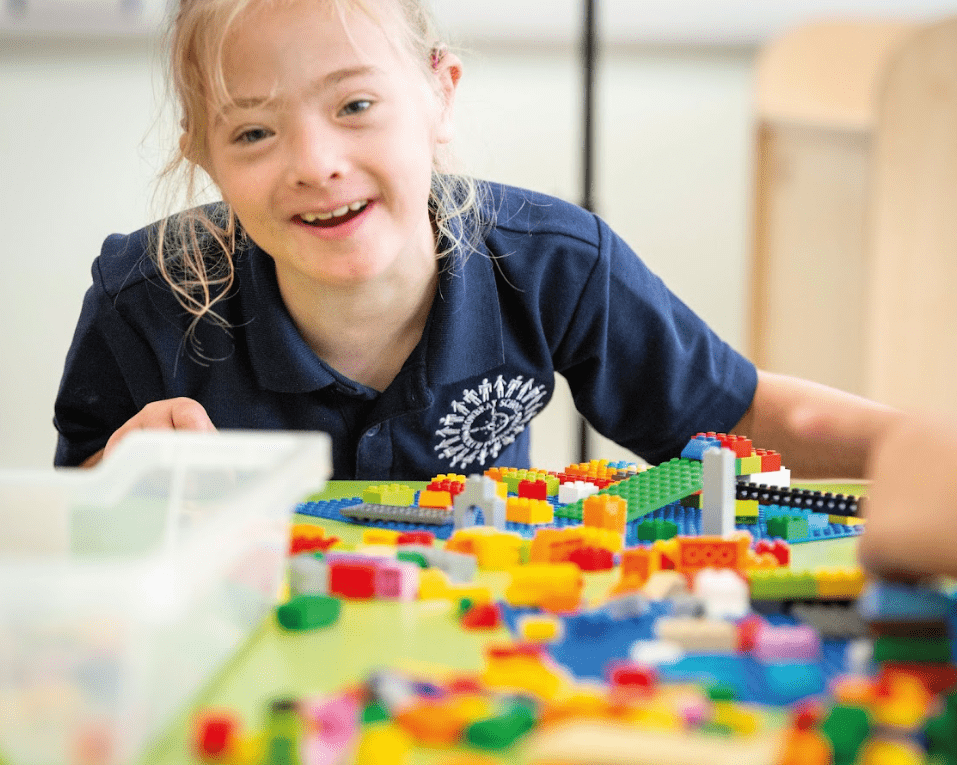
Mainstream education has undoubtedly become far more inclusive than it was a generation ago. Schools across the UK are better suited to the needs of children with SEN than they were. However, there is still a long way to go before they are fully inclusive. Many children still face barriers that can prevent them from learning, socialising and playing with their peers in a truly unhindered way. In school buildings constructed before the millennium, physical obstacles such as steps, uneven surfaces and inaccessible equipment remain problematic for children with SEN. Sensory overload is still a much-overlooked area, with more work needed to minimise loud noises, bright lights and overcrowding. When schools are designed in the right way, with inclusion front and centre, opportunities for children to learn, play and socialise together, regardless of their differences, can become a natural part of the school day. Additional inclusive play opportunities can then be bolted on, to further boost inclusion and pupil outcomes.
The concept of inclusive play has been around since the 1990s, and its benefits are well documented. Inclusive play means creating play opportunities where all children—regardless of ability, disability, background or needs—can play together, participate meaningfully and feel they belong. In practice, it involves designing spaces, activities and environments that remove barriers so children with and without additional needs can engage in play side by side. This can include accessible playground design, sensory-friendly environments, flexible activities and structured programmes that encourage cooperation and shared experiences.

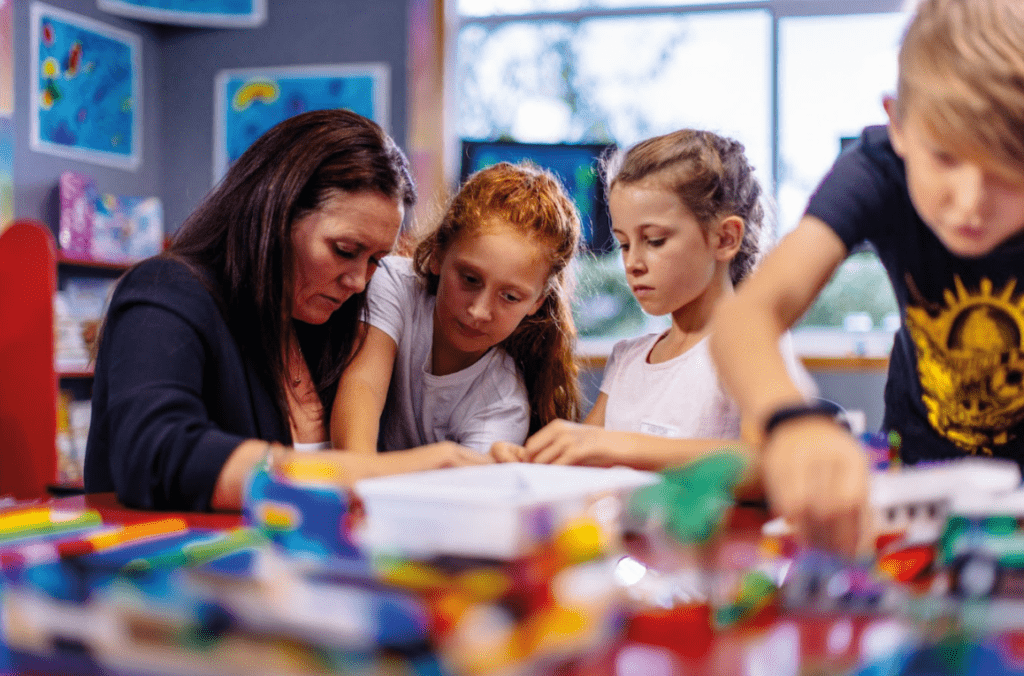
When delivered well, the benefits of inclusive play can be profound, providing significantly improved child development outcomes for SEN and non-SEN pupils. The list of advantages is long. Inclusive play supports cognitive and creative growth; problem-solving games and imaginative play encourage creativity and critical thinking. It can help children develop planning, sequencing, and decision-making skills in engaging ways. Social and emotional skills can be enhanced. Playing together builds listening and communication skills, confidence and self-esteem. It fosters friendships, empathy and a sense of belonging. As such, inclusive play can reduce stigma and promote understanding among peers. It can support emotional regulation—in safe play spaces, and through structured activities, children can better manage any frustrations or anxieties they may have. Crucially, children can also learn essential life skills through inclusive play including cooperation, turn-taking, patience, leadership, and conflict resolution.
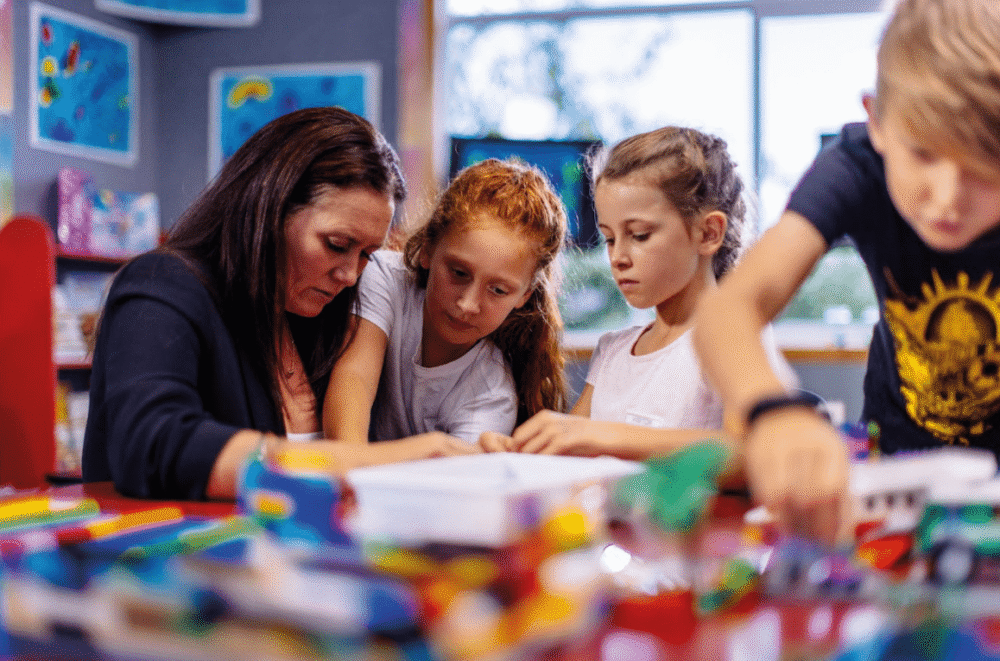
Building inclusivity and social skills, brick by brick. We see the benefits of inclusive play every day in the Brick Clubs we help deliver and the training courses we offer for health and education professionals. Our programme was originally designed with autistic children in mind, but its flexibility makes it perfect for young people with a range of strengths, challenges, and diagnoses. The clubs are an effective way to bring children of all ages and abilities together through shared building activities. Unhindered by screens and devices, pupils work in small groups to complete team challenges, games or collaborative building tasks using construction bricks. Each child may take on a role, such as builder, supplier, or designer. This encourages communication, turn-taking, and shared problem-solving. The hands-on, visual nature of brick activities can also make social interaction feel more accessible for children who may find traditional group work challenging. The results are always striking, regardless of the age of the children participating.

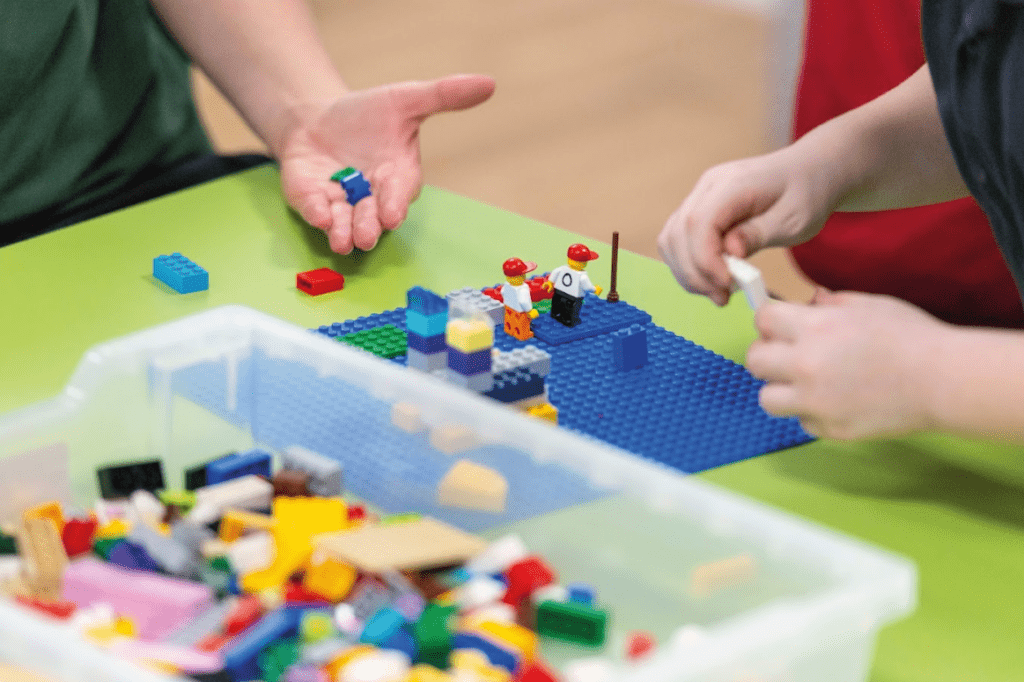
Little bricks, big impact. Last year, we worked with three primary schools in Cambridge (Bottisham Primary School, Orchard Park Primary School, and The Grove Primary School), providing each school with twelve sessions of Brick Club attended by up to ten children, many of whom had multiple diagnoses and/or support needs. These included autism, ADHD, specific learning difficulties such as dyslexia, mental health conditions such as anxiety, and general difficulties with social communication and relationships.
During the sessions, children worked together to build LEGO® sets in teams, each child working together in a specific role and taking turns to finish the model. Crucially, children were given the choice of what LEGO® set to make and with whom they wanted work. Many amazing creations were built, including dragons, LEGO® Minecraft models, a LEGO® Stitch and of course LEGO® Star Wars sets. Other activities included designing and building their own creations in pairs or small groups, such as vehicles, animals and houses. All the schools reported that children were very engaged and developed a strong sense of group community and belonging. Children developed new friendships. Quiet children who were reluctant to speak in the group at the beginning found their voice and confidently engaged with their peers inside and outside the group. Children who struggled with conflict resolution at the beginning were able to develop skills to solve problems with their peers and the need for adult intervention was drastically reduced by the end of the group.
It’s the same story for older children. Fifteen-year-old Finlay found new confidence through attending a Brick Club in the North East of England, which brought together neurodivergent young people to collaborate and build with LEGO®. During the sessions Finley attended, participants worked in teams and rotated roles, encouraging communication, cooperation and problem-solving while creating models together. For Finlay, this playful and supportive environment helped strengthen his communication skills and self-belief. He became more comfortable expressing his thoughts and feelings and more confident interacting with others, something his family and teachers noticed as he grew more relaxed and assured. In the past, Finlay sometimes felt underestimated and frustrated when people did not recognise his abilities. He learnt not only to communicate more clearly but also to collaborate with others, developing patience and an understanding that everyone brings different ideas to a shared project. Seeing how teamwork can lead to solutions helped him build confidence in social situations, demonstrating how inclusive, interest-led play opportunities can support older children and teenagers in developing the social and emotional skills that extend far beyond the play session itself.

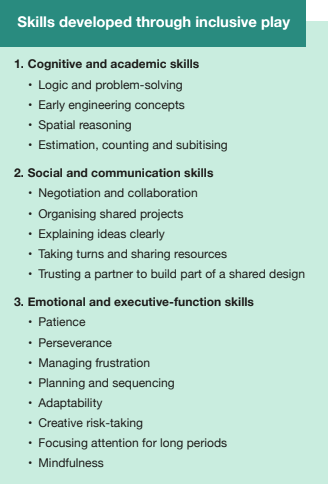
These examples show how powerful inclusive play can be when it is built around shared interests, collaboration and a sense of belonging. Finley and the younger children were able to develop confidence, communication skills and friendships in a setting that valued what they could contribute. When children are given the opportunity to work, play and problem-solve together, the benefits extend well beyond the activity itself—helping young people build the social and emotional skills that support them throughout school and into adulthood.
As the government moves forward with plans to introduce inclusion bases in mainstream schools, these stories highlight an important lesson: support should not exist in isolation. Inclusion bases can play a valuable role in providing targeted support for pupils with special educational needs, but they will be most effective when paired with wider efforts to create genuinely inclusive school environments. That means investing not only in specialist spaces, but also in inclusive design and shared experiences that bring children together. Ultimately, true inclusion is not about separating support from the rest of school life. It’s about creating environments where all children can learn, play and grow alongside one another. By combining inclusive spaces with inclusive play, schools can build communities where every child—regardless of need or ability—has the chance to feel valued, confident and part of the same shared experience.


Author: Gina Gómez de la Cuesta


Gina Gómez de la Cuesta
Dr Gina Gómez de la Cuesta is a UK-based clinical psychologist and autism researcher who founded Play Included, an organisation that trains educators and therapists to use collaborative LEGO® therapy (the Brick-by-Brick® programme) to support children's social and emotional development. She researched LEGO® therapy during her PhD at the University of Cambridge and is a co-author of the LEGO® therapy manual.
Website: playincluded.com
LinkedIn: @play-included
Instagram: @playincluded