







Regardless of the pupil or school environment, self-belief is a key ingredient to achievement and happiness, and it can greatly support good mental health, writes Rebecca Burton.
It is not as straightforward as having it or not having it. Self-belief must be nurtured, and it takes constant work and usually the support of others.
We know from the work we do in schools, and from neuroscientific research, that how children feel about themselves is critical to learning and development outcomes. Self-belief isn’t just a nice-to-have, it directly affects engagement, memory, motivation and long-term outcomes.

As children and young people are developing and learning, it is particularly important to build that inner voice that says I can do this when facing difficulties or new experiences. It helps to break down barriers. Self-belief doesn’t make a person fearless, but it helps to give them the courage to try new things, and to trust that they will be able to find a way through a challenge. It helps people to take risks, even if the outcome is uncertain, which can be a particularly daunting prospect for children and young people with internalised social, emotional or mental health needs. Taking risks can include contributing to a class discussion, or deciding to eat in front of other people for the first time, or it can be simply stepping into a new environment. Self-belief also means it’s easier to bounce back from setbacks and keep going. It’s an inner strength.
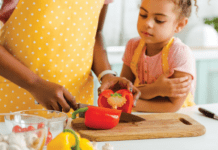
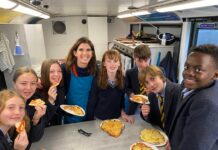
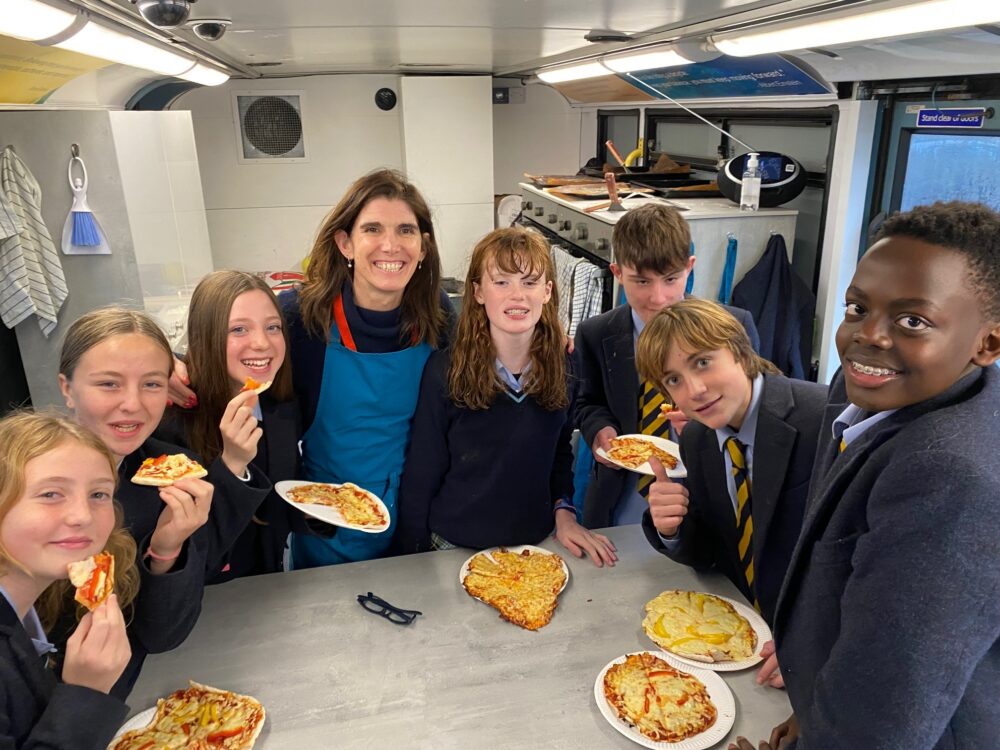
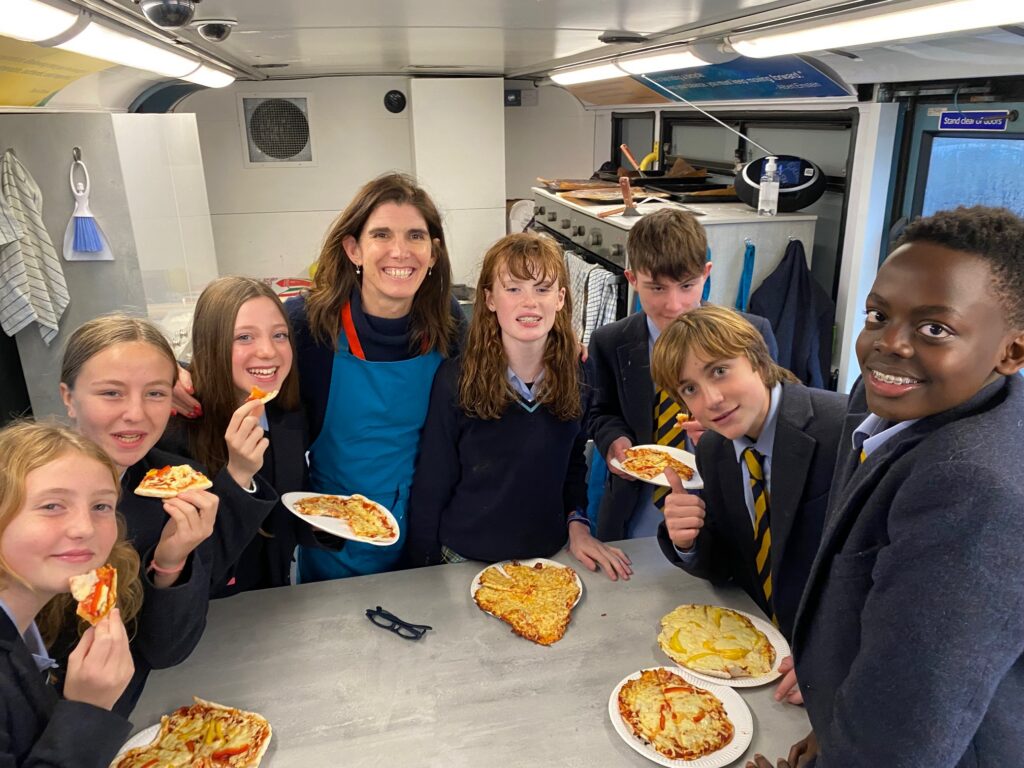
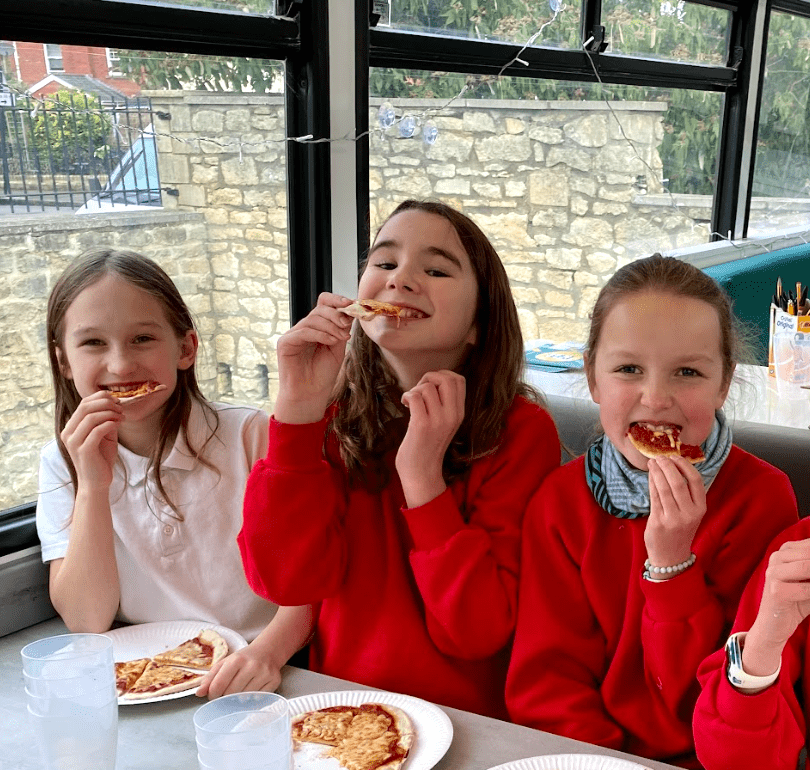
We run small-group workshops in school grounds, beginning with a pizza-making session on the ground floor before moving upstairs for a workshop. During this, we focus on the analogy of self-belief as a balloon that continually needs inflating. The experience of stepping on to our unfamiliar bus, making a pizza and taking part in a workshop gives pupils the opportunity to work through this process of trying something new and proving to themselves that they can do it, leaving with a positive feeling of achievement and potential.
Inclusivity without judgement
We are often briefed about the pupils due to join us for a workshop, which can be helpful, but we try to stay clear of too many labels or foregone conclusions around expected behaviour. Each session is unique, and we take every individual child as they are on the day we meet them, both in mainstream schools, at which we work with many pupils with additional needs, as well as in SEN school environments.
With non-verbal pupils, and pupils with individual complex needs, we begin with visual and picture resources to share before pupils come to the bus, so they know what to expect to reduce potential anxiety. To support pupils with sensory sensitivity, we adapt the sessions, for example controlling noise levels or changing the kitchen utensils used so that nothing scrapes.

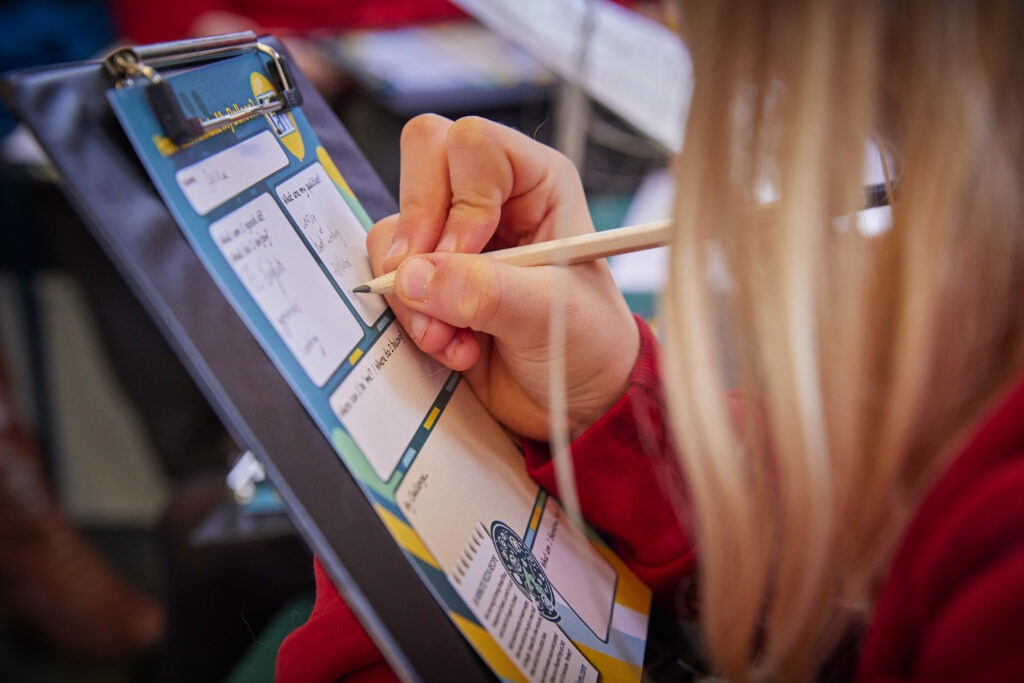
The activity of pizza-making can be done in a relaxed way, without eye contact. Meanwhile, the workshop leader leads gentle conversation, either focused on the activity or, if appropriate, introducing wider topics, to build rapport and a sense of trust.
The action of making a pizza and then eating it is an achievement in itself, and many teachers have fed back their amazement that their pupils were able to do this. In SEN environments, the pizza concept often becomes central to the workshop, with an activity to make ‘positive pizzas’, with pupils creating different toppings out of their own individual qualities or pulling related items out of a bag to initiate discussion.
The door is open and every pupil knows they can leave the bus at any time, but the unique environment—a safe but interesting space on the familiar school grounds—manages to keep most pupils engaged throughout. We have had young people who experience emotionally based school avoidance (EBSA) but who choose to come into school on days when our bus is visiting.
Examples of magic outcomes
There are many heartwarming examples of barriers breaking down and ‘firsts’ on the bus. During one workshop, a young man who we were told would need breaks and would not remain for the full session stayed and was engaged throughout. During the workshop, usually reclusive, the individual shared stories about achievements outside of school which his peers did not know and were surprised by, with his own pride clear to see.

Another young person who had experienced a medical emergency some years prior, was able to communicate her gratitude to the healthcare professionals who helped her at the time during the workshop. This was a topic she had never previously talked about.
We have had pupils who would never eat in front of others, start to nibble at their pizzas during their workshop, and had feedback from staff who had worked with their pupils for years and never realised they were able to make a pizza.
The pillars of self-belief
Building positive experiences can help to keep our balloons of self-belief inflated and this is valuable for everyone. We break down how to nurture self-belief into four pillars, which can be adapted for each individual:
Intelligence (I): We all possess unique intelligence. By identifying and using our own skills and qualities, we can boost our self-belief. The key is to spend time doing things we are good at and enjoy, and which will make us happy.
Challenge (C): Overcoming challenges, big and small, help us to learn, grow and build resilience. Everyone makes mistakes and has setbacks, and it is not about giant leaps, but about taking small, progressive steps every day, such as entering an unfamiliar environment.
Attitude (A): Our attitude shapes our perspective. A positive and grateful attitude can turn setbacks into springboards for opportunities and enhance our resilience. It’s important to spend time exploring what we are grateful for and why.
Needed (N): Finding our place where we belong and feel accepted is crucial. Spending time with people who support and encourage us can strengthen our self-belief, help us feel good about ourselves and our place in the world.Self-belief is linked to a range of positive outcomes, including increased happiness and physical and mental health, as well as greater resilience and academic performance.

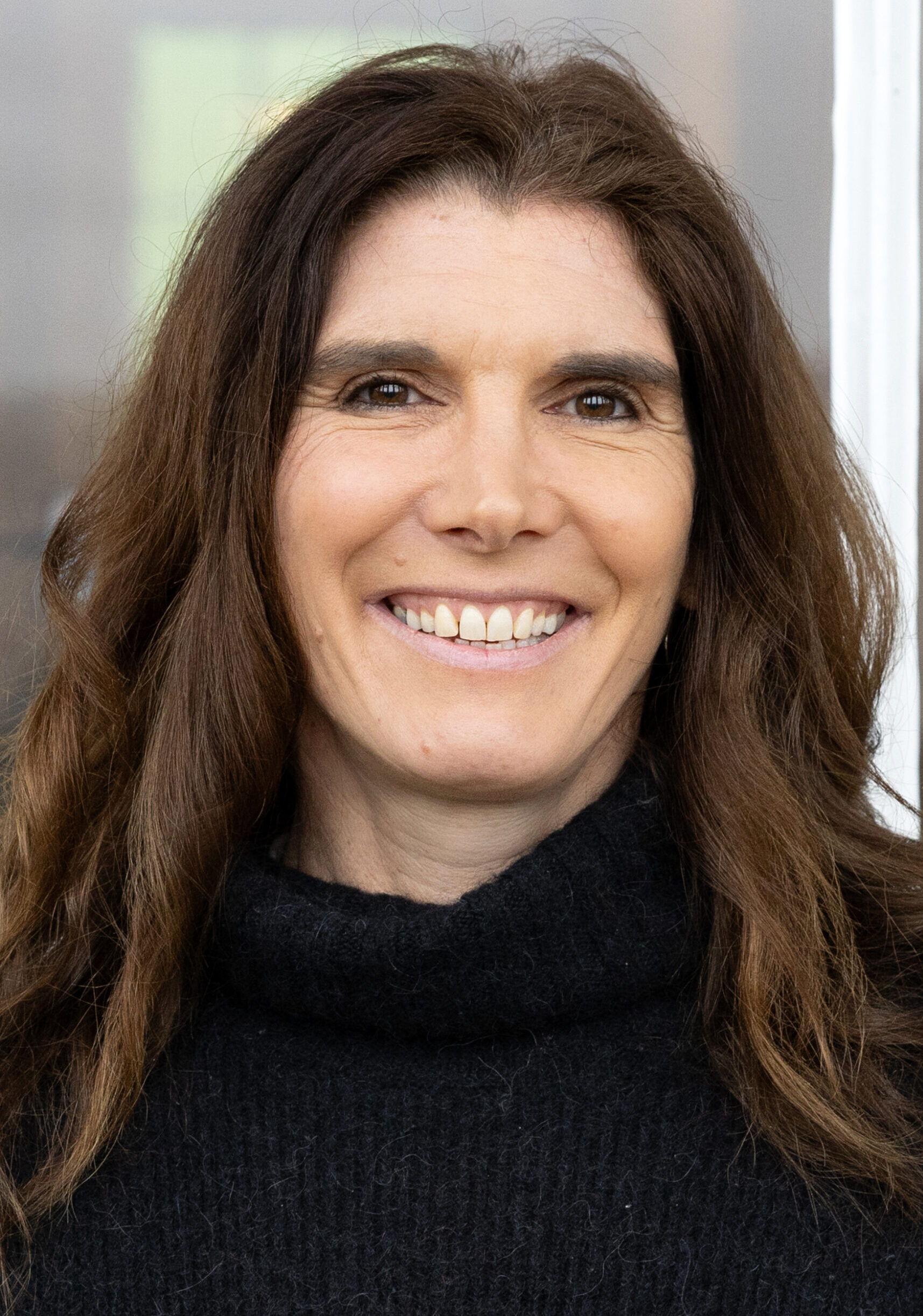
Author: Rebecca Burton


Rebecca Burton
Rebecca Burton is the CEO of education charity I Can & I Am, whose double-decker buses visit primary, secondary and specialist SEN schools in the South of England, running workshops in the schools.
Website: Icanandiam.com
Facebook: @icanandiam
Instagram: @icanandiam