














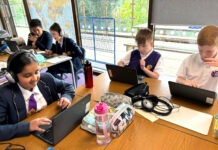




As a SEN mum, Julie Wills has grown to dislike the word resilience, and for good reasons.
Firstly, children with SEN (and their families) are already some of the most resilient people you’ll ever meet. Every day demands their courage, their strength and their perseverance—qualities which often go unrecognised.
Getting through a school day can feel impossible. Anxiety, sensory overwhelm, and EBSA (Emotionally Based School Avoidance) turn ordinary mornings into battles of fear and exhaustion. So I’d like to challenge the overused advice to build resilience. This is because safety, regulation and understanding must come first. Even small adjustments can help children not just survive, but truly thrive.
Schoolday mornings can be overwhelming for a child who is in constant fight, flight or freeze mode. Getting dressed may require games, gentle coaxing and endless reassurance. Breakfast might go untouched because anxiety has stolen their appetite. Leaving the house to go to school can feel impossible. Transitions take forever. Panic in the car, frozen feet in the car park, or simply being unable to walk through the school doors. This is the reality for many children who experience EBSA.
Sensory overwhelm makes it even harder. Noisy corridors, blaring bells, crowded classrooms or strong smells can push the nervous system into overdrive. What looks like avoidance is often a child bracing for a day that just feels far too big and scary.
So this isn’t about resilience. The courage it takes for a neurodivergent child and their families to just show up each day is extraordinary. What matters is why they are anxious, what can help them feel safe, and what reasonable adjustments the school can make to support them—small changes in the classroom, building trusted relationships, showing compassion or flexibility in routines. Children need to feel safe enough to calm, regulate, and catch their breath. Only when their nervous system can settle can they take small, manageable steps forward, and then be ready to learn and grow.
From my experience as a Teaching Assistant, just ten minutes a day focused on regulation can transform a morning from chaos to calm. This isn’t only for children with SEN. Post-Covid, many kids struggle with managing emotions, communicating and building social-emotional skills. Teaching the Zones of Regulation empowers children to recognize their feelings and discover strategies that reduce anxiety, giving them tools to navigate the day with confidence.
Regulation is about body awareness—recognising our emotions, noticing when we feel overwhelmed, and learning strategies to calm ourselves when our nervous system goes into survival mode. It can be as simple as noticing tense muscles, rapid heartbeat, or shallow breathing, and responding with quiet time, colouring, a walk, music, or simple grounding or mindfulness activities. But children need support from a professional to understand what they are feeling, and to discover which strategies work best for them.
It should not be the child who is expected to change to fit the environment. The environment should adapt—through trusted adult relationships, understanding, flexibility, empathy, and compassion—to meet the child where they are. Even from my own school days, I see how crucial this is. What looked like quiet compliance was often fear and overwhelm. Resilience taught me to hide my anxiety, not manage it. Long-term masking leads to exhaustion, burnout, and increased anxiety. Children may appear to cope at school, but then completely unravel at home, where they feel safe enough to release everything.
So the crucial difference is that regulation must come before resilience. Resilience is about coping with stress, challenges, and change. But if a child isn’t regulated first, resilience becomes survival, not strength. Regulation teaches children to soothe and settle themselves. It empowers them to understand their bodies and emotions, respond to sensory overwhelm, and feel safe enough to grow. With regulation, children thrive. Without it, they merely survive—trapped in a cycle of anxiety, masking, and exhaustion. Regulation is the first building block. Only when children feel safe and calm can resilience become their strength. A genuine strength, not just a mask they wear to survive.

Author: Julie Wills


Julie Wills
Julie Wills is a devoted mum navigating autism, ADHD, sensory challenges and EBSA at first hand. She is a full-time carer and former Teaching Assistant.