












It’s easy for schools to be drawn into a medical model of support for students with PMLD, writes Emmet Murphy, but we should be cautious with this approach, as it can limit the quality of experience for students. Instead, we can view their school experience from a quality-of-life point of view.
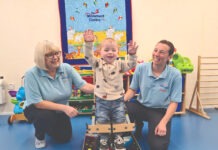
The quality-of-life approach means working really hard to manage risks, while finding ways for students to also have great opportunities. The aim is to enable our students to have as many of the same experiences as any other young person their age. Whether it’s carol-singing, or residential trips, or dressing up for the end of year Prom, these activities help to create lasting memories for students and their families.
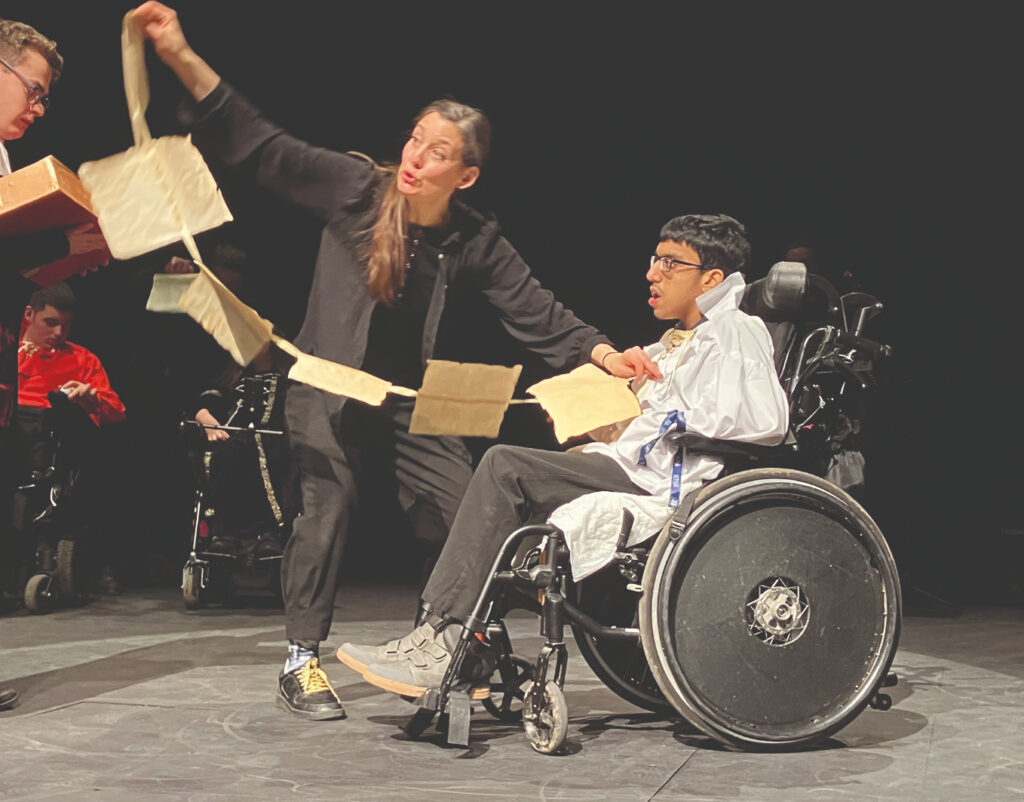
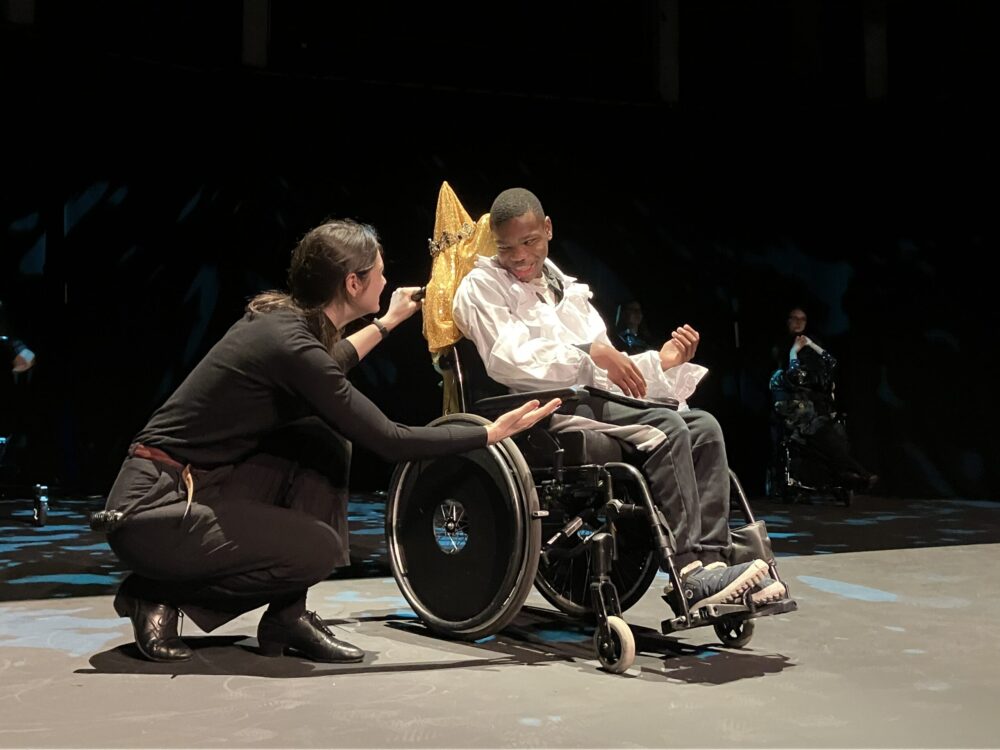
Drama can be used as a therapeutic tool, for example. It’s a medium through which young people can explore and experience the world. Dramatherapy is an approach that is ideal for students with PMLD, incorporating sensory experiences alongside non-verbal communication, metaphors, and symbols to help students explore their sense of self, autonomy and emotional wellbeing. We can explore multimodal routes of self-expression with students, such as movement with touch and sound, character work, stories, improvisation, and performance. Musical hydrotherapy is impactful for many students. This is an innovative therapy combining listening to sound inside the water alongside aquatic body therapy techniques to enhance wellbeing and inspire movement stretching, vocalisation and stillness.
Some of our students are not well enough to always attend school, but we need to make sure they are still part of the school and the community. To enable teaching and learning to continue as effectively as possible, home visits are a key part of our curriculum and may involve supplying learning packs for remote learning or working closely with families to help with routines. Students can access daily Zoom sessions with music and wellbeing specialists and their class, ensuring they remain part of the school community wherever they are. Joining the school virtually doesn’t stop at the lessons.
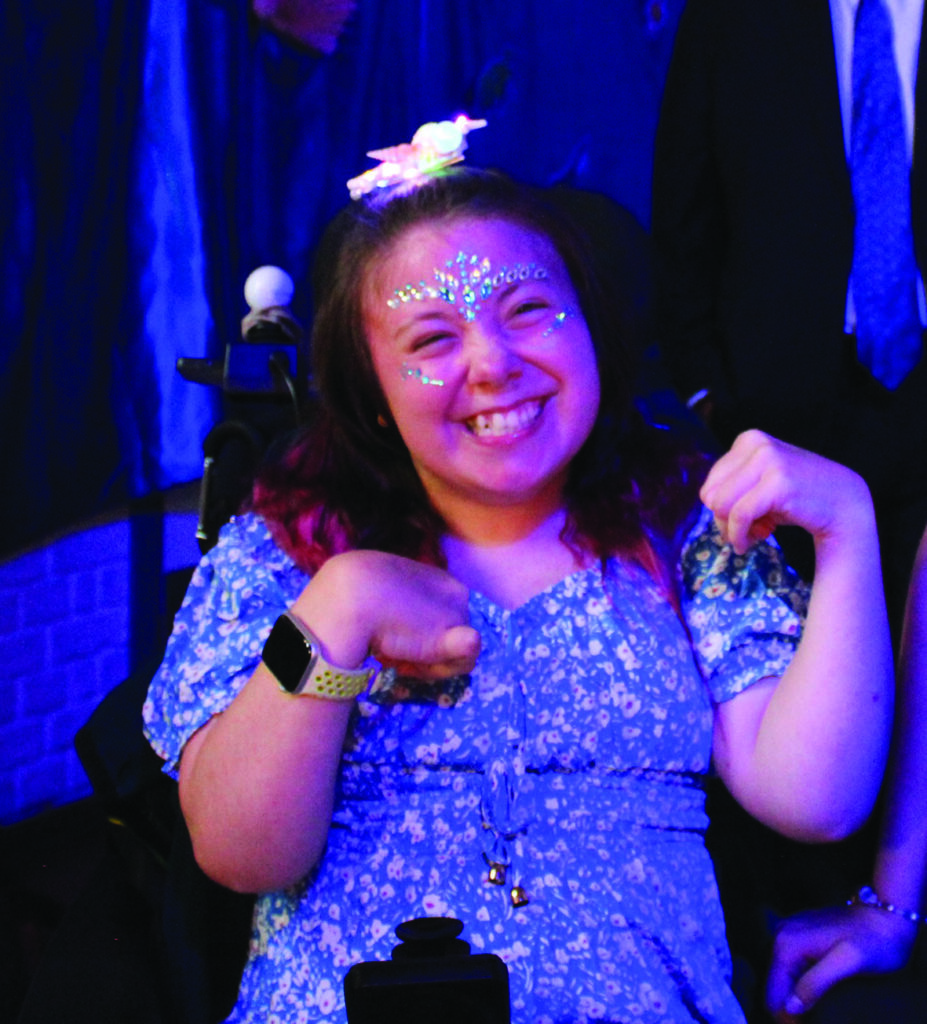
A strong sense of community means we seek every opportunity to work on projects and activities in our local community, in partnership with other educational organisations, clubs, centres, and charities. Community-based learning can enhance opportunities for older pupils to participate in a meaningful way in their local community. Older students can work towards their Duke of Edinburgh Award, including an expedition to local landmarks, before setting up camp at a local secondary school. It’s a new adventure in a new environment, while still allowing access to medical and personal health care facilities. Students help pitch tents and prepare a tasty meal. And after all the hard work, they can toast marshmallows together around a campfire. The following day, they strike camp and navigate back to school full of tales of their adventures.
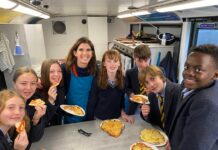
Post-16 students can run a weekly cafe in a local church, where they bake cakes and serve teas and coffee to families, to other students, and to members of the church congregation. Students gain practical skills such as preparing food and drink in a kitchen and learn about food hygiene. They also have the opportunity to practise communication skills by taking orders and serving customers. The most sought-after job is taking the money 😀.

Author: Emmet Murphy

Emmet Murphy
Emmet Murphy is Principal at Bedelsford School Kingston-upon-Thames, part of Orchard Hill College Academy Trust.
Website: bedelsfordschool.org
Website: ohcat.org
Instagram: @Bedelsford