





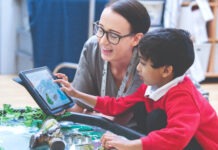
Live music enhances regulation and readiness to learn at Julia Arthur-Godar’s specialist school for pupils with complex social, communication and attention needs.
Mornings can be intense. The transition from home to school life can feel like a mountain to climb—long taxi journeys, unpredictable sounds, bright lights, and shifting routines all competing for attention. For some of our youngest learners, this can trigger anxiety before the first lesson even begins.
This idea emerged from our ongoing trauma-informed work with the Neurosequential Model in Education, a framework which helps educators understand how the brain develops and how learning is shaped by a child’s emotional and physiological state. At its heart is a guiding sequence: Regulate → Relate → Reason. Before a pupil can connect, think, or learn, they must first feel safe and regulated. That understanding led us to something we had seen working intuitively for years—the power of rhythm, melody, and human connection through sound. Music already played a quiet role in our school, from sensory rooms to morning routines, but we wondered what might happen if we brought live music directly into the classroom. The idea became the spark for a small pilot—an exploration of how live music might support emotional regulation, relational safety, and readiness to learn.
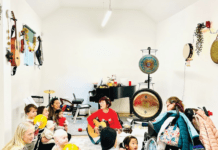
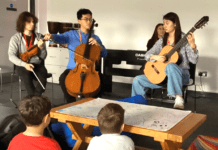
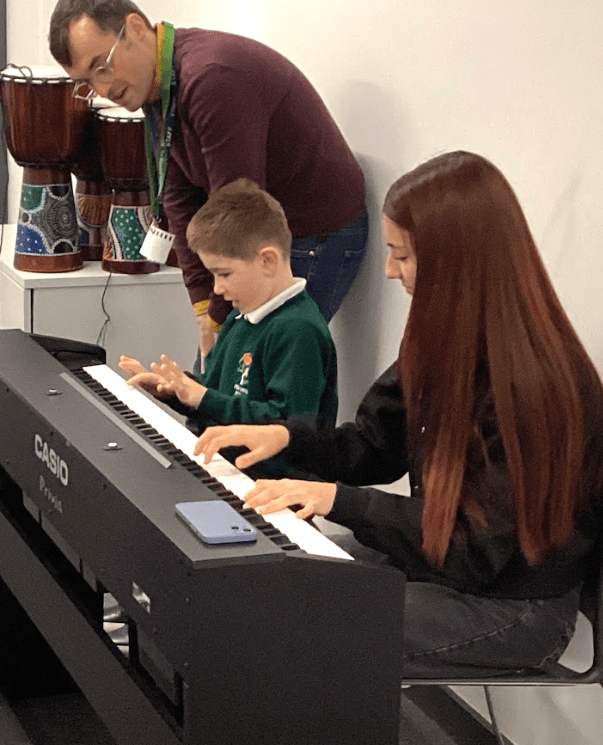
Through a partnership with a nearby conservatoire, a small group of talented young musicians joined us every fortnight. Armed with a piano, cello, violin, and guitar, they transformed one of our classrooms into something quietly extraordinary. It wasn’t a concert, and there were no seats in rows. Pupils sat, stood, rocked, or lay on cushions as the musicians began to play. Slowly, softly and responsively, following the rhythm of the room. Sometimes a child would clap or sway, and the ensemble would subtly echo that movement back. The music was alive and responsive, changing moment by moment.
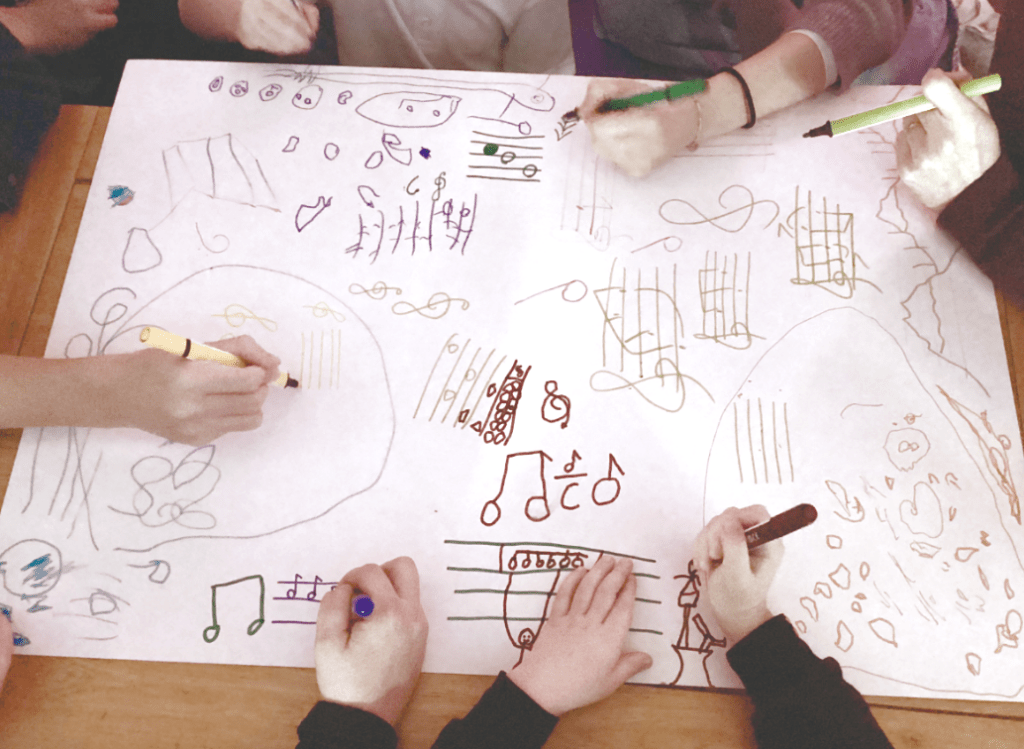
Staff began noticing changes almost immediately. On music mornings, transitions went more smoothly. Pupils moved through their daily activities with fewer wobbles. One teaching assistant described the sessions as a collective exhale—you could feel the calm spreading. After music sessions, pupils seemed more focused, engaged and ready to learn. One pupil, who often found structured learning overwhelming, started drawing shapes inspired by the sounds he heard, offering them to the musicians as music pictures to play back. Another pupil who struggled with sensory overload began asking for the soft songs when he needed help regulating. The impact extended beyond the pupils. Staff said they felt more grounded, too—less rushed, more connected, and better able to attune to their pupils’ needs. The sessions became something the whole class looked forward to.

Neuroscience helps explain the impact of the sessions. By engaging lower brain regions such as the brainstem and limbic system, live music and rhythm help pupils achieve physiological and emotional regulation, laying the foundation for social interaction and learning. When the musicians played softly patterned rhythms, pupils’ bodies responded first—breathing slowed, shoulders dropped, and heart rates steadied. The room synchronised, creating a foundation for relational and cognitive engagement. In other words, live music helped pupils to regulate, then relate, and finally reason.
Not all pupils responded in the same way. For one child, the sound was initially overwhelming. By adjusting the duration and lowering the volume over several sessions, he gradually became able to join in. Another pupil preferred to listen from the corridor until curiosity drew them closer. These moments reminded us that trauma-informed practice is never one-size-fits-all. It’s about attuning, observing, and responding.
The benefits often rippled through the rest of the day. Lessons after music sessions tended to start more smoothly, and unstructured times like lunch were calmer. One teacher noted fewer incidents requiring behaviour support, and several pupils began independently using music as part of their own self-regulation strategies.
The experience reinforced several important principles that now shape our wider practice across the Trust. Predictability builds safety. The sessions took place at the same time and in the same place, helping pupils know what to expect and easing anxiety. Live interaction matters because, unlike recorded music, live performances can respond to the moment—slowing down, softening, or matching the energy in the room. Staff regulation is pupil regulation. When adults are calm and present, pupils sense it, and the sessions offer staff a rare opportunity to share in a peaceful, co-regulated space. Personalisation is key, as each pupil’s sensory and emotional responses to sound are unique. Tailoring tempo, tone and volume allowed every child to access the experience at their own pace. Finally, music belongs everywhere. We’ve started using short bursts of rhythmic sound before transitions and lessons to support regulation more widely.
Perhaps the most beautiful outcome was how music helps reconnect relationships. One teacher described a pupil who rarely made eye contact spontaneously smiling at the cellist as she played. Another shared how a normally anxious child leaned back on her beanbag and whispered I feel nice inside.
For our staff, these moments reminded us why we do this work. The Neurosequential Model gives us the framework, but it’s the human moments that bring it to life. The success of our small pilot has inspired us to continue exploring the role of live music in our trauma-informed approach. We’re now developing individual Regulation Profiles that capture each pupil’s sensory and musical preferences, so staff can weave music into daily routines more intentionally. We’re also planning professional learning sessions on the neuroscience of rhythm and regulation, helping every adult in our community understand how simple, patterned activities can create safety and readiness for learning.
For the pupils in that first Key Stage 1 class, the impact is still visible. They start their mornings more calmly now. Sometimes, without prompting, one of our students will hum a soft tune as they walk into class—a small reminder that the rhythm of safety and connection continues long after the music stops.
Author: Julia Arthur-Godar
Julia Arthur-Godar
Julia Arthur-Godar is Acting Vice Principal at Fox Grove School in Leatherhead, part of The Howard Partnership Trust. She is also a Neurosequential Model in Education trainer.
Website: foxgroveschool.co.uk