




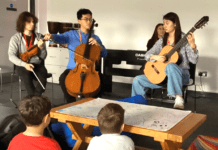



From their earliest stages of life, music offers a powerful way for children to explore communication, interaction and self-expression, writes Natasha Bretten.
Music has long had a place in early years environments, often supporting the rhythm of the day. Teachers use familiar songs to signal tidy-up time, or to gather children together with well-loved nursery rhymes during circle time and celebrations.
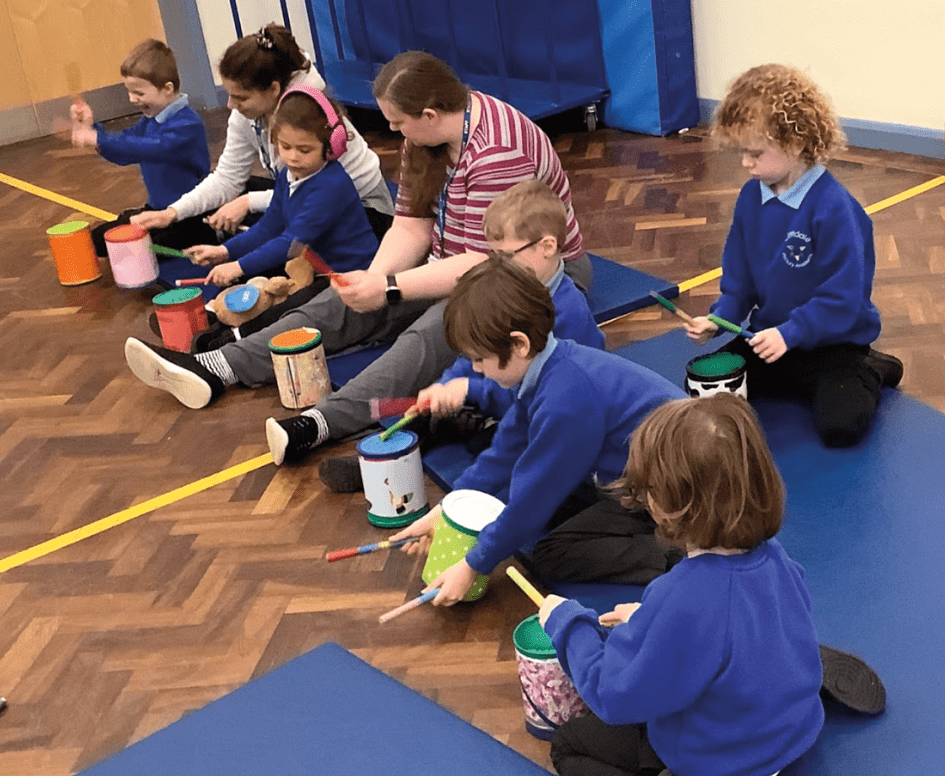
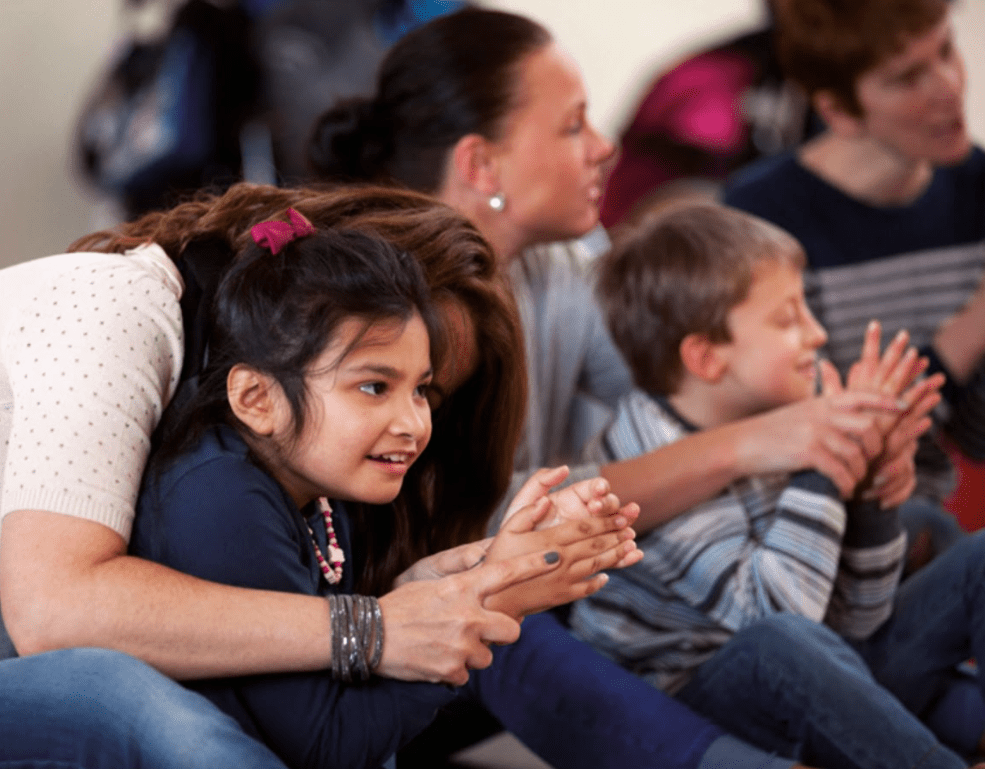
Music is multi-sensory and doesn’t rely on verbal ability. Children who struggle with spoken language can participate through movement, rhythm, gesture or vocalisation. A child who finds sitting still challenging may thrive during an action song. A child who is minimally verbal may begin to echo repeated refrains. Music can support speech and language development through rhythm and repetition. It helps to strengthen auditory discrimination skills. It encourages joint attention and eye contact, and it provides predictable structure, reducing anxiety. Furthermore, music supports sensory integration through rhythm and movement. For children with communication differences, rhythm can act as a bridge to speech. The strong beat patterns and melodies in songs help scaffold language in ways that spoken instruction alone often cannot.
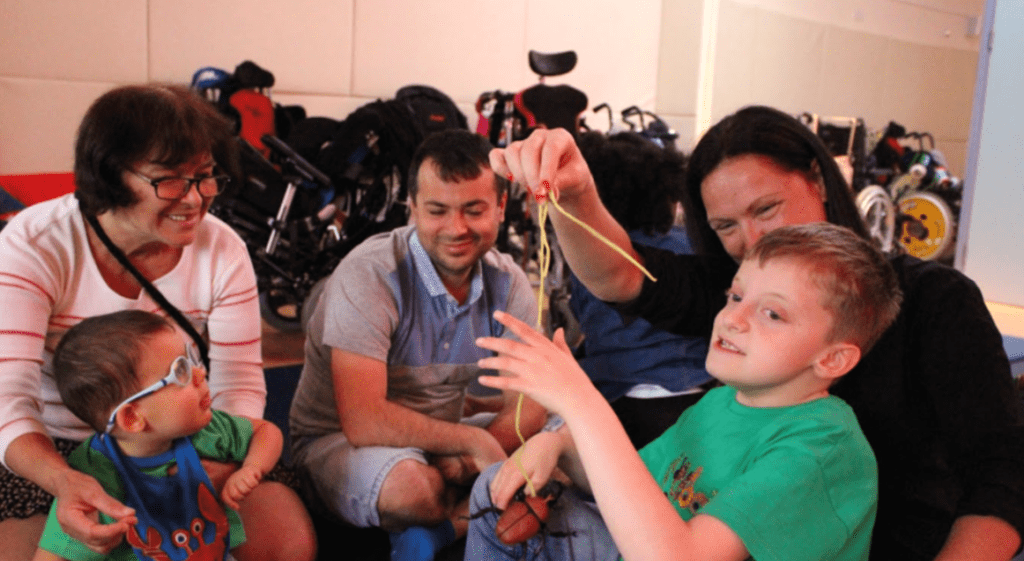
Music also levels the playing field. In a music circle time, participation can be adapted and differentiated naturally, allowing every child to thrive and experience success. When music becomes a consistent part of the daily experience, the benefits are felt across the whole group. As well as supporting language and social development, shared musical moments create opportunities for children to experience success together, strengthening confidence and connection within the learning community.
Studies with 3–4-year-olds tell us that a huge number of messages need to fire around the brain to make sense of language. The brain uses an overlapping circuit of neural pathways that are developed through regular music and movement activities, connecting the auditory, visual and motor regions of the brain. This interconnected neural circuit that Dr Anita Collins, neuro-musical educator and founder of Bigger Better Brains, calls the Magic Triangle, is strengthened through music and movement. When children sing, move and engage with sounds and rhythm, they are strengthening this key pyramid of connections. Children with weak connections in the pyramid may struggle with language processing, but music and movement activities can help to bridge the gaps. Neuro-musical research findings tell us that music and movement is an efficient and effective way of strengthening the auditory processing system. This matters enormously in early childhood. If sound shapes how we think, move, regulate emotions and remember, then structured, joyful musical experiences are not simply enrichment, they are foundational.
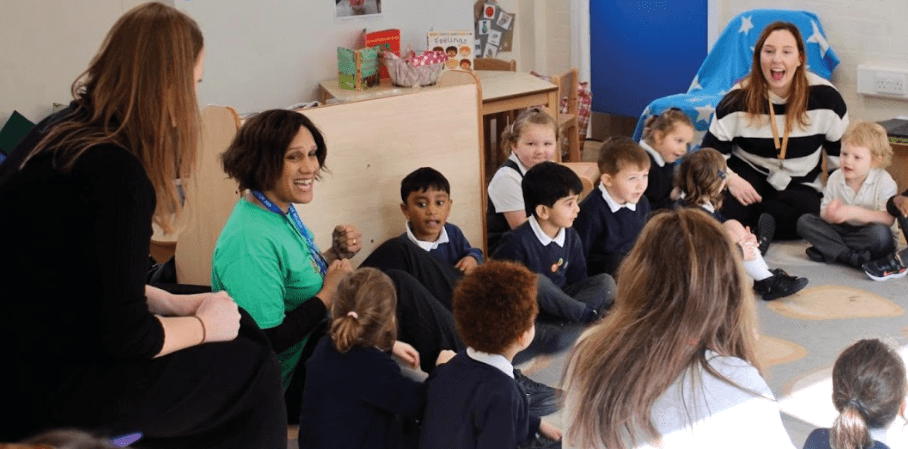
Rhythm, melody and shared musical experiences do far more than fill a moment in the day; they help build the neural connections that underpin speech, language and communication. For many children, particularly those with SEND, music offers a pathway into interaction when words are not yet accessible. By embedding regular, joyful musical experiences into early years provision, practitioners create environments where every child can participate, connect and communicate. In this sense, music and movement are not simply activities we offer children, but powerful tools that will help them find their voice.
Author: Natasha Bretten

Natasha Bretten
Natasha Bretten is a teacher and trainer with Boogie Mites.
Website: boogiemites.co.uk
Facebook: @BoogieMites
Instagram: @boogiemites