

























Mentoring and engagement-led, individualised learning must form part of the SEND reforms, argues Anthony Thompson.
The new plans to reform SEND aim to reduce the number of EHCPs in place by awarding them only to those with the most complex needs. However, the myriad of specialist needs that students are experiencing is not going to go away. Much of the public discussion on this issue in general focuses on funding pressures and waiting times. But the increase in SEND requirements in general also raises a deeper question: can schools be structured to support increasingly complex needs?

It is often said that every child needs a caring adult. This is well-intentioned, but it understates what many young people with SEND actually require. For those who have experienced trauma, exclusion or long periods out of education, support must go beyond care alone. It requires structured, consistent mentoring from trained professionals, a discipline in its own right, focused on building trust, understanding behaviour, and adapting approaches to the individual.
There are several key lessons about relationship-building, trust and re-engagement that ought to be reflected in the reforms.
Engagement starts with trust. Mainstream education is, understandably, structured around academic progress. But for many young people with SEND, particularly those who have been disengaged from education, attainment cannot be the starting point. When a student has been out of education for three years and initially refuses to engage with lessons, it’s important to prioritise building trust through shared interests and creative activities. Only once that relationship was established can academic goals gradually be reintroduced. Without trust, there is no meaningful engagement, and without engagement, progress stalls.
Flexibility enables re-engagement. Many school systems are built on consistency and routine, but for students with complex needs, rigid structures can create additional barriers. For a student who experiences severe anxiety and disrupted sleep patterns, to the extent that regular school attendance is difficult, a flexible plan can balanced wellbeing with gradual participation in learning. This kind of adaptability is not about lowering expectations, but about sequencing them differently – meeting students where they are in order to move them forward.

Skilled mentoring underpins effective support. If relationships are the foundation of engagement, they must be built with intention and expertise. Mentoring is not simply about being approachable or supportive. It requires training, consistency and the ability to interpret behaviour through a wider lens. Recognising small steps forward, responding to setbacks, and adapting strategies in real time are all part of the process. As EHCP numbers grow, the expectation that classroom teachers can absorb increasingly complex pastoral responsibilities alongside academic delivery is becoming harder to sustain. Strengthening access to specialist mentoring support could be critical.
Alternative education is not a nice-to-have. It is a critical part of the education system, providing the specialist environments, flexibility and relationship-led support that some young people need in order to engage at all. These settings work differently by design: smaller cohorts, adaptable structures, and a clear focus on rebuilding trust and confidence alongside learning. This creates the conditions for students who have disengaged, often completely, to reconnect with education.
Assigning different levels of support and overhauling how it is accessed is one thing, but creating truly inclusive environments will require a broader view of support, one that recognises the limits of traditional structures and the value of specialist, relationship-led approaches. This includes greater integration between mainstream and alternative education, as well as investment in mentoring as a professional discipline.
For many young people with SEND, the first step back into learning is not academic intervention, but connection. Feeling understood is what makes progress possible. It is this principle that must sit at the heart of how the system evolves.
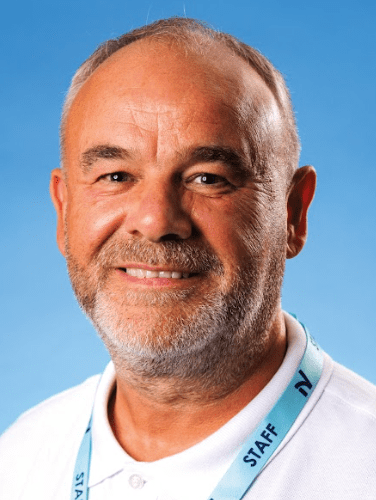
Author: Anthony Thompson

Anthony Thompson
Anthony Thompson is the CEO of Navigators, providers of alternative education provision across the Northwest of England.
Website: navigators.org.uk
Instagram: @navigatorsap