






















Nicola Enoch on why expectations matter, how knowledge strengthens practice, and how everyday classroom decisions can either expand or restrict opportunity.
For pupils with Down syndrome, progress is shaped not only by individual learning needs, but by the expectations, knowledge and opportunities that surround them. Expectations influence what pupils are taught, how they are supported, and how others respond to them. Knowledge underpins those expectations. When staff understand how a pupil communicates, what motivates them and how they learn best, expectations are more likely to be ambitious, realistic and well supported.
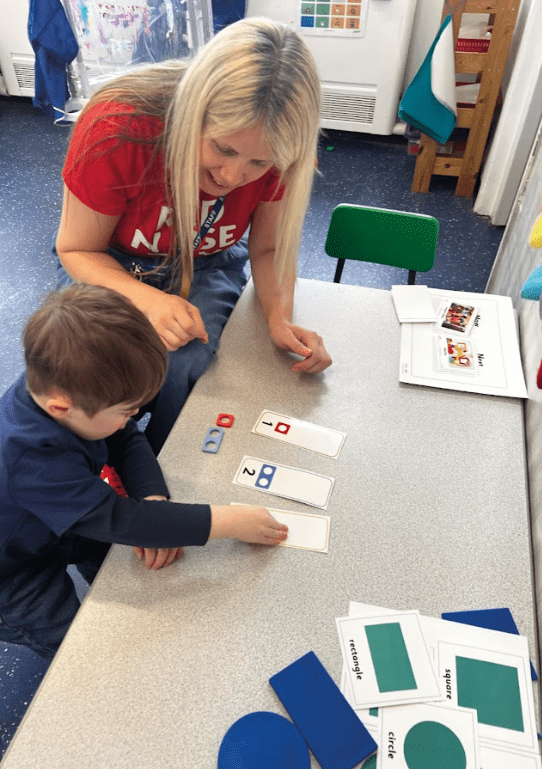
When expectations are limited, learning opportunities can narrow over time. When expectations are raised—and teaching is informed, flexible and responsive—pupils with Down syndrome are more likely to engage, practise skills and make progress across communication, literacy, numeracy and independence.
Down syndrome is associated with a recognisable learning profile, with absolutely no fixed limit on achievement. Research describes relative strengths in visual learning and learning through repetition, alongside challenges with speech and language, working memory and processing speed.
Decades of research, including work led by Dr Sue Buckley of Down Syndrome Education International and Dr Becky Baxter, DSUK’s Director of Education and Speech and Language, highlight that many pupils with Down syndrome benefit from explicit teaching, clear structure, frequent opportunities to revisit learning, and early and ongoing access to literacy, which can support language development as well as reading skills.
At the same time, outcomes vary widely. This variation strongly suggests that environment, teaching approaches, expectations and access to learning opportunities can play a significant role in shaping progress. Progress is not determined by diagnosis alone.
Knowledge is power
Raising expectations must be underpinned by knowledge. Understanding how a pupil with Down syndrome engages, communicates and learns enables staff to plan support that removes barriers rather than lowers ambition. Working closely with parents is central to this. Parents hold invaluable knowledge about their child—what interests them, how they communicate, what supports behaviour and engagement, and what has worked well in the past. When schools and families work together, expectations become more accurate, support more effective, and learning more meaningful.
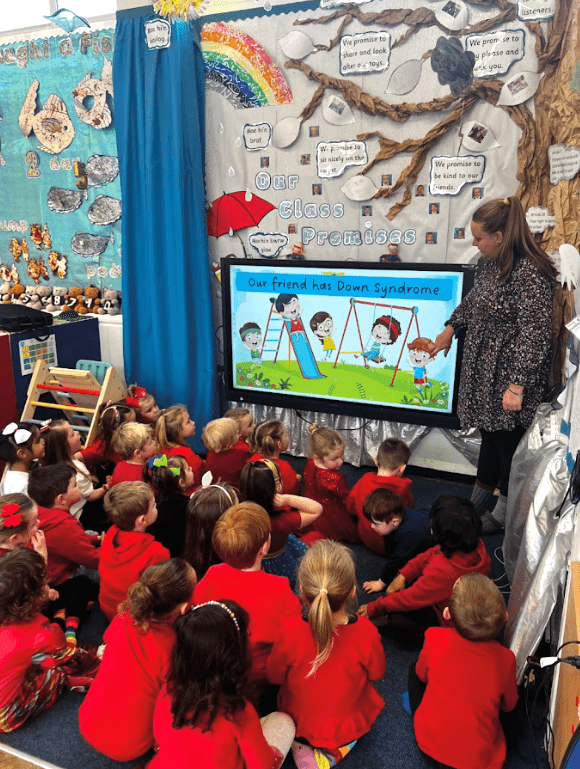
Literacy: keeping an open mind
Most children with Down syndrome benefit from an initial whole-word reading approach, drawing on strengths in visual learning. However, many pupils with Down syndrome can also be taught phonics, and for some, phonetic decoding can be learned and mastered over time. Decisions about reading approaches should be informed by individual response to teaching, rather than assumptions based on diagnosis.
Behaviour, learning and missed opportunities
As a national parent-led charity immersed in our community, we frequently hear of situations where behaviour becomes a barrier to learning. Too often, this results in missed learning opportunities when pupils are removed from lessons because the gap is considered too great or engagement is viewed as too difficult. Yet experience shows that with the right expectations, support and resources, behaviour that interferes with learning can usually be addressed. When behaviour is understood and supported, pupils are more likely to remain in class, engage with learning, and enjoy the same opportunities as their peers.
A culture of can-do
Raising expectations is not about denying difference or overlooking support needs. It is about combining belief with knowledge and ensuring pupils are given opportunities to learn, practise and succeed. When expectations are high and support is purposeful, pupils with Down syndrome are more likely to develop communication and literacy skills, build independence and confidence, and achieve outcomes that reflect their individual potential.
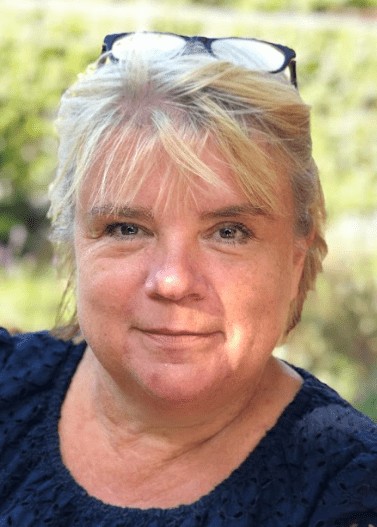
Author: Nicola Enoch

Nicola Enoch
Nicola Enochis the CEO of Down Syndrome UK.Her son Tom was born with Down syndrome in 2004. Nicolaplayed a key role in the Down Syndrome Act 2022, and her powerful TEDx talkHow I Nearly Terminated My Son Through Ignorancecan be watched atyoutu.be/F4RDyT-pnMo
Website: https://downsyndromeuk.co.uk/
Facebook: @PositiveaboutDownSyndrome
Instagram: @positive_about_down_syndrome