





















There is so much we can learn from dyslexic young people as they enter the adult world, says Margaret Rooke.
After battling their way through the education system, young people with dyslexia find themselves facing a whole new set of challenges: life after school. They may be considering the world of work, or apprenticeships, or university, or they may feel profound uncertainty about the path they want to take. Yet there is so much we can learn from these young people as they enter the adult world, and what they tell us can have an impact on the way we interact with younger children and teens during their time at school.
I interviewed forty young adults, hearing about their lives beyond the classroom, and finding out what lessons children, teens, parents and carers, teachers, Sencos, tutors, and careers advisors can take from them. I believe my interviewees create a more expansive picture of dyslexia that stretches beyond the classroom. When children are at school, it’s too easy to focus solely on the here and now, the daily efforts and struggles. However, these young adults show that so many more opportunities can exist for them once they leave school; more choices, more chances to develop and use their skills, more ways they can be—and achieve as—themselves, with less of a temptation to engage in unhealthy comparisons with the person sitting next to them. We need to communicate this message to children in our care.
One of the biggest lessons these young adults taught me is how well they know themselves. For certain, they have their fears, often having spent years judging their results and academic ability against those of their classmates. All I could see in front of me was a black hole says Scotland’s Apprentice of the Year, Marc Ingram, aged 21. At that time, I believed I’d never have a job. I thought I would end up homeless. It was his careers advisor who came to his aid with information about apprenticeships. This concept immediately struck a chord with him, and it became his path to a successful future.

Some of those who told me their stories went on to university. They have good advice about deciding which courses to follow. Sam, 24, knew he had visual strengths and that this would help him in studying cell biology. Others went for institutions they knew gave good support for students with dyslexia. Many delayed their decision about higher education until they had retaken qualifications or had gained the confidence that they could cope with further academic study. Many others ignored pressure from home and school to go down the university route, knowing it wasn’t right for them.
One who did go to university, Rhomi, who’s 26, said it left her so stressed she suffered from hair loss. Like many of the others I spoke to, one wrong turn for her was far from the end of the road. She ended up using this experience to create a natural shampoo business at her kitchen table, to help herself and others. She turned something that hadn’t worked for her into a jumping-off point to a far happier landing. A common thread.
In general, failing to achieve through one route led them to take another turn in their own time. Jamie, 21, hit rock bottom after school, having been uninspired by a cookery course and believing there was no other path open to him. He then realised that the volunteering he had done during his teenage years, helping children who were struggling with drugs, alcohol and tobacco, had given him the perfect skillset for a job as a youth and community worker.
So many didn’t follow the path that was expected of them, but organically they found a way to a job that was right for them. They found their own ways to make their lives work, using talents and attributes they put down to being dyslexic. One contributor, who turned down a place at university to set up her own business, went on a course run by the charity for young people, then called The Prince’s Trust, now known as The King’s Trust. She remembers on the first day thinking I learnt more today than I did the whole time I was at school. A businesswoman to her core, she was finally hearing about supply chains and other concepts central to her goals. Suddenly education made sense to her.
Hers is an example of the sense of energy that manifests itself. These young people with dyslexia had enough adult backing not to feel crushed by a school system that didn’t have the resources to support them, given the ways their brains work. They showed they can become powerhouses when faced with opportunities after school, and the further choices they then dream up within those options. For instance, one young woman, planning on nursing, sees her future travelling the world with her profession rather than staying put in one hospital. Another, who has just finished a teaching degree, is spending as much of her working life as she can helping very young children with dyslexia to read and spell, wanting them to receive the support she had lacked.
So many of these young adults found they gained vital learning outside of school lessons. Education is everywhere. The very shy felt that serving behind a shop counter transformed how they dealt with other people, helping them to lose their timidity. YouTube was a great reservoir of knowledge for many. A textile student learnt simply by walking down the street and taking in what others were wearing. These different ways of taking in information helped these young people to believe in themselves and their capacity to succeed outside of school.
The young people I spoke to have needed to work hard, and they still need to work hard. They blossom if they are given encouragement and support by those around them. This may require patience on the part of parents and carers, but the young adults do show that with their innate skills they can find the right future that fits them, not the one that others are attempting to foist on them.
They need us to be on their side as they’re coping with school, encouraging them to pursue the skills and areas they love, telling them that their attributes may not be reflected in the curriculum but will help them in the outside world. We can all be that supportive person in the life of a child or teenager with dyslexia. Max, 24, says the message should be Dyslexia is just different. And different isn’t bad, it’s just not the same as everyone else.
For children and teens with dyslexia, your path to the future you may need to take a more complex route. This is where your ability to think in different and creative ways can be a vital strength. Use your problem-solving skills and capacity to assert yourself to get to where you want.
As Fernette Eide of Dyslexic Advantage told me, For many with dyslexia, life seems to begin once they step outside of school, once they begin to discover their talents, strengths and the creative vision they bring to the outside world. It is the real world that is their canvas.
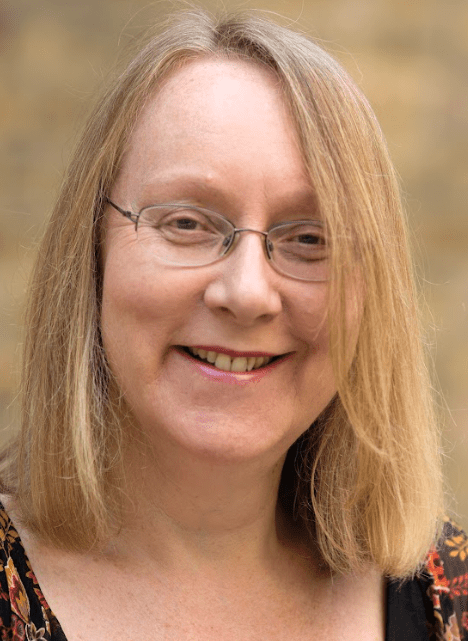
Author: Margaret Rooke

Margaret Rooke
Margaret Rooke is the author of Life After School—Dyslexic and Taking on The World, and other books written to encourage and inspire children, young people, their families and their educators.
Website: margaretrooke.com
Instagram: @margsrooke
LinkedIn: @Margaretrooke-3b45848
TikTok: @margsrooke






I completely agree with the statement that ‘life begins after school’ for many people with dyslexia. The stories of Marc Ingram and Rhomi prove that failure on conventional academic paths is not the end, but often a stepping stone to a path that is much more suited to their unique strengths.