




















It can be a tricky stage for young people with Down’s syndrome but, writes Sharon Smith, support is available.
The transition from childhood to adulthood can be a challenging and stressful experience, for both the young person and their parents. As they navigate their way towards greater independence, a young person must learn about what it means to become an adult, how their relationship with their parents will change, and their new responsibilities and entitlements under the law. Whether it is learning to drive, getting a first job, having new relationships or moving away to go to college or university, it is an exciting time full of new opportunities and choices to be made. It can, of course, also be a time of confusion, insecurity, raging hormones, bodily changes and uncertainty.
The same applies to young people who have Down’s syndrome, though it can be an even trickier terrain for both the young person and their parents to navigate. For young people who have education, health and social care needs, the transition to adulthood can involve multiple different transitions. For parents and carers of young people who have Down’s syndrome, it is also a time when their role is changing too, as, in law, the young person is now becoming legally entitled to make their own decisions (subject to mental capacity).
This is therefore a time that can present additional barriers to deal with and new legislative frameworks to learn about. Combined with often low aspirations for people who have Down’s syndrome and fewer opportunities for employment and leisure activities, it can make this a particularly difficult journey to plan for and to navigate, which is why it is important that parents are supported by their education setting and that they know that they are not alone, and that there is support and information available to help during this time of change. The steps below can be helpful.
Start planning early
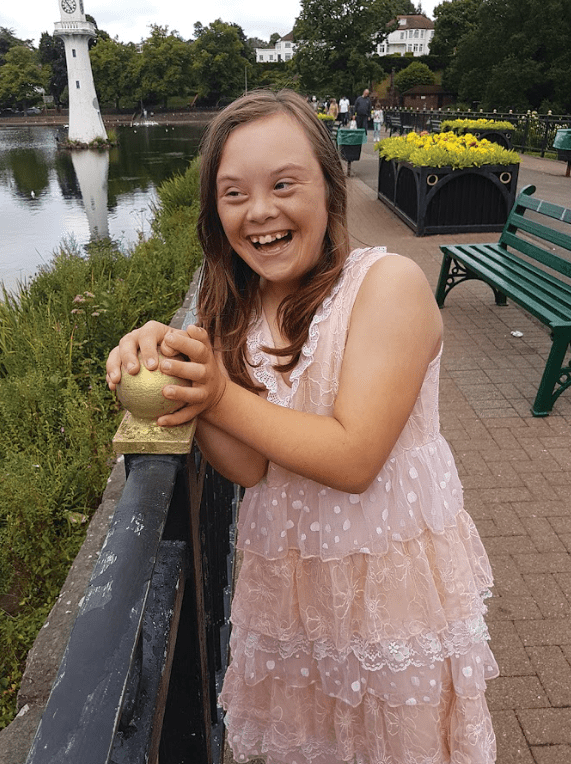
The Year 9 Education, Health & Care Plan (EHCP) annual review is normally the time when you should formally start preparation for adulthood planning for a young person. Planning must be centred around the individual and explore the young person’s aspirations and abilities, what they want to be able to do when they leave post-16 education or training and the support they might need to achieve their ambitions. This is a time when it is important to do your research and to find sources of reliable information and support. Areas to start thinking about include further education, employment opportunities, social care support, housing and health support. Organisations such as the Down’s Syndrome Association, your local SEND Information, Advice and Support Service (SENDIAS) and local Down’s syndrome support groups can be especially helpful. Spend time looking at the Local Authority’s Local Offer website too, as it should have information about transition planning and support, as well as details about adult services.
Consider how you centre the young person’s views and their hopes for the future
As a young person who has Down’s syndrome approaches adulthood, person-centred planning approaches can be helpful. Good support is responsive to the needs and wishes of the individual young person. The level of engagement that a young person who has Down’s syndrome can contribute to planning their support will be different depending on their individual abilities and needs. The use of Easy Read materials and person centred planning tools can help young people who have Down’s syndrome make decisions about their own futures. This is also a changing role for parents and carers, as we need to become our young person’s cheerleaders and advocates, and let them start to make more decisions (even if they are not decisions we would necessarily make for them). Our role as parents and carers is to ensure that our young people have the information and support that they need to make choices about the life they are going to lead. The charity NDTi has lots of useful resources and templates that can be used with your young person to help them think about their future (ndti.org.uk/projects/preparing-for-adulthood).
Consider the use of technology and how it can support greater independence
Whether it is the use of voice assisted technology, augmentative and alternative communication (AAC) devices, technology enabled care, or simply the use of a mobile phone, technology provides young people who have Down’s syndrome in several ways as they develop independence in daily activities and away from the family home. For example, you can encourage a young person to set a daily alarm, to use an electronic calendar that is shared with family members to plan activities, or to set reminders on their mobile phones. When a young person is out of the home, technology such as Find my Phone, or technology-enabled care such as a bodily worn Oysta device can be helpful to provide peace of mind.
Find opportunities for young people to learn the skills and develop confidence in areas that they will need when they are older
For example household chores, travel training, managing money with support and cooking simple meals. Opportunities for over-learning and practising skills learnt in education settings in real life situations that are meaningful for the individual are particularly important for young people who have Down’s syndrome. It is also important that your young person has opportunities to develop self-advocacy skills and to find their own voice. This could be through activities in a school or college, for example being on the school council or taking part in drama productions. Your Local Offer might have details of local advocacy organisations led by people who have learning disabilities (eg peoplefirstltd.com), or there are an increasing number of online groups which your young person can join, to make friends and to develop valuable skills. For example, Blue Apple Theatre (blueappletheatre.com) in Hampshire runs an online group on Saturday mornings for young people who have learning disabilities, which can help with developing confidence and voice, and the Down’s Syndrome Association has a group called Our Voice for people who have Down’s syndrome to inform their work and to develop advocacy skills.
Explore opportunities to learn about the world of work
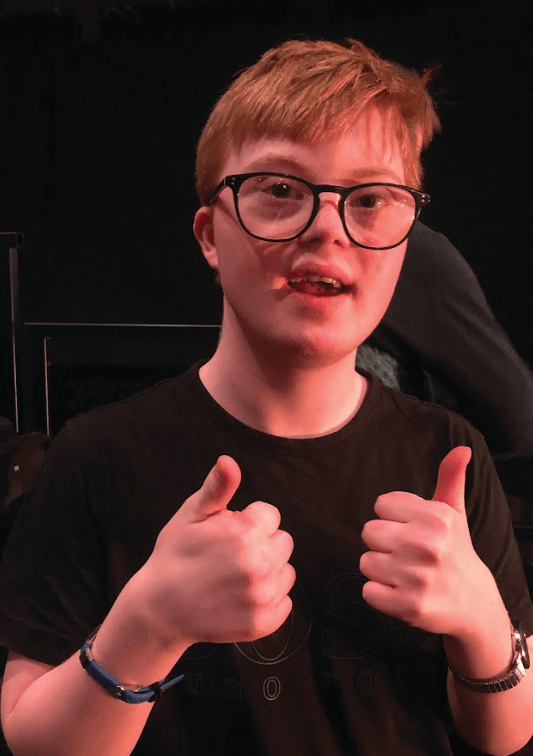
Do not limit this to roles you think that the young person might be able to do in the future, instead provide opportunities to explore areas they are interested in. Many young people who have Down’s syndrome can and will go on to find suitable work. This often starts with supported employment programmes such as WorkFit (dsworkfit.org.uk) or a supported internship, which help young people who have Down’s syndrome learn suitable skills for being in the workplace. More and more employers are seeing the value of employing people with learning disabilities, and there are a growing number of opportunities being carved out for young people who have Down’s syndrome to take advantage of. The world of work brings a huge amount of benefits for people who have Down’s syndrome including opportunities for learning and development, being a valued member of a team, and increased financial independence.
Take some risks
It is not always easy for parents and carers to start letting go, and to allow young people who have Down’s syndrome to make their own way in the world. However, it is important, as mentioned above, that parents and carers allow them to make their own decisions and provide support to learn how to live independently. Good planning and preparation will help young people who have Down’s syndrome to go out into the world. It is important to support the young person in developing strategies to ask for help, so that they know what to do if they find themselves in a difficult and unplanned situation, for example if they have missed a train or have lost their telephone. One suggestion is to work with other families to offer opportunities for practice, for instance travelling on a bus or train to meet a friend who will wait for them at the next stop or allowing friends to go shopping together while parents sit in a café waiting.

Author: Sharon Smith

Sharon Smith
Sharon Smith is Head of Marketing and Strategic Communications at the Down's Syndrome Association, which runs a helpline and provides information, resources and training relating to education and Preparation for Adulthood for people who have Down's syndrome.
Website: downs-syndrome.org.uk
Facebook: @DownsSyndromeAssociation
LinkedIn: @down's-syndrome-association