











Practical steps towards implementing inclusion, by Sarah Guscott.
We often talk about what needs to change for autistic people, classroom adaptations, visual supports, flexible routines and rightly so. But what if we broadened this and asked: what would it look like if we shifted the environment, the mindset, and the culture for everyone? Inclusion is not just about bringing autistic people into a space, it is about building that space from the beginning with shared understanding, flexibility, and creating a sense of belonging. If we move beyond isolated adjustments and begin cultivating a deeper culture of empathy, where all children and adults grow together in mutual understanding. Because when we support everyone’s understanding, autistic people don’t just survive, they have the opportunity to thrive.
From fixing to understanding
Autism is not a deficit to fix. It’s a difference to understand. In many early childhood and educational settings, these differences become visible through social behaviour, a child may withdraw, not respond in expected ways, or need time alone. These actions are often misread as disinterest or rejection. In reality, they may be signs of sensory overload or social fatigue, not a lack of desire for connection. If peers and adults are not taught how to recognise and interpret these responses, autistic children risk being misunderstood and socially excluded. But if we actively build a culture of empathy, where children understand that “taking a break” or “playing quietly” is just another way of being, then we open the door to connection, not close it.
Reframing social connection
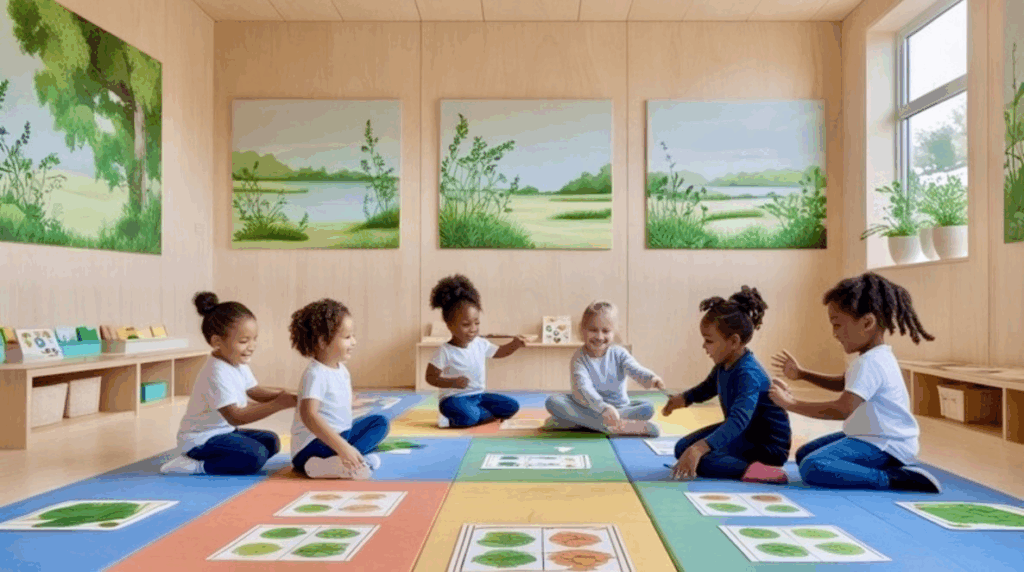
One of the most meaningful ways we can support autistic children is by helping their peers to truly understand difference. Early friendships are built on play and interaction, but autistic children may engage in different ways, use different communication styles, or need longer to build trust. When these differences are unexplained, peers may assume the child does not want to play or doesn’t like them. But when we educate children about neurodiversity, when we explain that “Zara likes to play quietly” or “James needs time to feel safe before joining in”, then we build the foundation for real, inclusive friendships. We can teach empathy early. Role play, puppets, storybooks and classroom discussions can help neurotypical children to understand that friendship does not always look like talking, loud games, or constant engagement. It can be sitting side by side, sharing a special interest, or simply being present. When children are supported to understand these differences, they are more likely to reach out, to include, and to stay connected, even through the bumps of miscommunication. And when that happens, autistic children are not just included, they are chosen. This shift is not just good for autistic children, it is good for all children. It teaches emotional intelligence, patience, and the kind of social awareness that builds lifelong compassion.
Understanding through cognitive development theory
Jean Piaget’s theory of cognitive development suggests that children actively construct their understanding of the world through experiences and interactions. In the preoperational stage (typically ages 2 to 7), children are highly egocentric, they see the world from their own perspective and can struggle to understand others’ viewpoints. However, this is also the stage where they begin to develop symbolic thinking and empathy, especially when guided through social experiences. This presents a powerful opportunity. If we teach children during this stage to recognise, respect, and celebrate differences, including neurodiversity, we help lay the foundations for inclusive thinking that can grow with them. By introducing the idea that people experience the world in different ways, we support children’s cognitive flexibility, emotional intelligence, and moral development. Creating a culture where differences are understood and accepted supports not just autistic children, but the social and emotional development of all children. They learn to be compassionate, resilient, and better able to navigate relationships throughout life.
Mental health and peer belonging
Feeling understood, accepted, and included has a profound impact on a child’s mental health and emotional wellbeing. For autistic children, the pressures of masking, sensory overload, and social misunderstanding can lead to high levels of anxiety, exhaustion, and even trauma over time. When inclusion is authentic and informed, we reduce those pressures. And equally, when non-autistic children are supported to develop empathy and perspective-taking, they too benefit. Classrooms and early years settings become calmer, more accepting spaces where all children feel they can be themselves. Peer relationships are vital for wellbeing. By intentionally building inclusive friendship groups, through adult modelling, group work, and play-based collaboration, we create opportunities for autistic children to connect meaningfully with their peers. These connections don’t need to look like traditional friendships to be valuable. They might be rooted in shared interests, parallel play, or mutual comfort and all are valid. When children grow up in inclusive environments, they do not just tolerate difference, they embrace it. They become the adults who continue to advocate for and create inclusive communities, long after their time in early years or school.
Developmental theory and inclusive foundations
From a developmental perspective, inclusion must start early. Vygotsky’s theory highlights the central role of social interaction in learning, while Erikson points to the importance of belonging, trust, and autonomy during early childhood. But these theories must be applied flexibly, recognising that not all children follow the same path or express their needs in the same ways. Using a strengths-based approach, we can begin to view difference as something to be celebrated, not corrected. Autistic children may not express themselves in neurotypical ways, but they are still social, still curious, still capable of connection, when given the right context. The early years environment is the perfect place to model and nurture this. Natural materials, open-ended play, sensory-friendly spaces, and flexible routines all support children’s ability to regulate, communicate, and connect in their own time.
A whole-community approach
True inclusion is never the job of just one person. Teachers, parents, support staff, lunchtime supervisors, governors, siblings and peers, everyone has a role to play. This is about community culture. The autistic child should not be expected to mask, suppress, or adjust in order to “fit in.” Instead, the environment, social and physical, must evolve to include them. This requires a shared language and shared responsibility. Whole-school or setting-wide approaches that celebrate neurodiversity, build staff confidence, and include children in shaping inclusive practice are powerful. When autistic children are part of the planning and reflecting, not just the subject of it, real change happens. Training should go beyond the basics. It’s not just about what autism is, but what it feels like, how it shows up in different children, and how adults can respond in supportive ways. Equally, involving families, carers and communities helps build continuity between home and school, reinforcing safety, understanding and communication.
Change
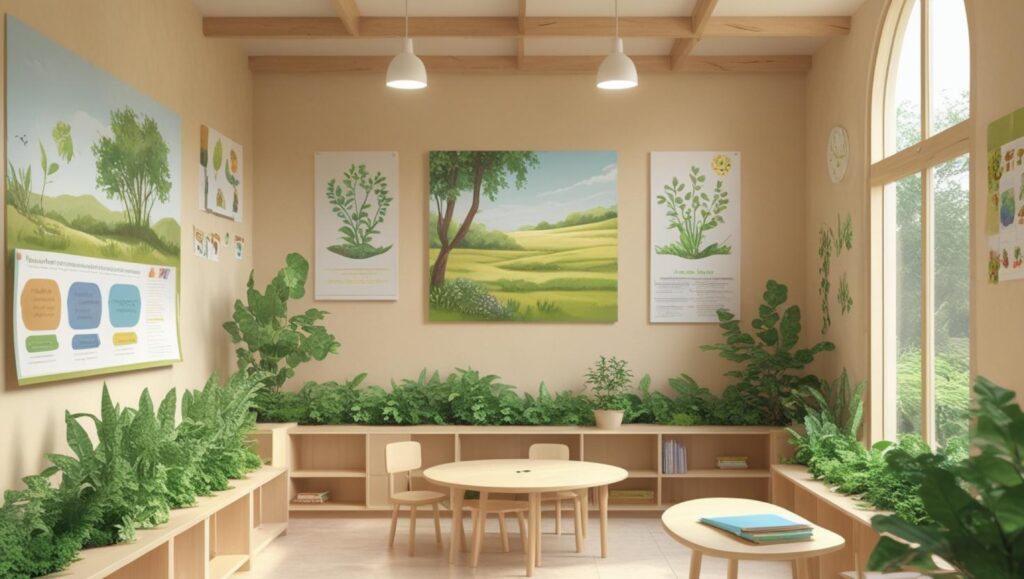
Change doesn’t need to be radical, but it needs to be intentional. Sensory-friendly environments, for example: calm lighting, quiet corners, and movement-based transitions to support regulation. Or universal design for learning: accessible approaches that benefit all learners, not just those with a diagnosis. Peer education programmes: storytelling, discussions and co-operative play activities that help children understand autism and foster true connection. Modelling inclusive behaviour: adults narrating social situations, celebrating neurodiverse strengths, and supporting repair when misunderstandings arise. Playful, natural spaces: environments where open-ended exploration is encouraged and differences in play styles are embraced. Inclusion is not about doing more for some, it’s about doing better for all.
Beginning
We begin by listening. To autistic children, to their families, to their teachers, and to their peers. We begin by creating cultures that do not just allow difference, they expect and welcome it. We begin by understanding that a break from the group does not mean someone is rejecting us, it might mean they are trying to stay connected, in the only way they can right now. We begin by showing children that friendship can look like sitting quietly next to someone. That kindness is giving someone space. That true belonging means all of us showing up, authentically, openly, and together. Because inclusion is not just about being in the same room. It is about feeling seen, safe, and understood, in every corner of the setting, and every corner of the heart.
Author: Sarah Guscott

Sarah Guscott
Sarah Guscott is an educator, Occupational Therapist, and author. She lectures at University Centre Peterborough (UCP).
LinkedIn: sarah-guscott-5a82a2280