











Richard Hirstwood on the rise of sensory learning in special education.
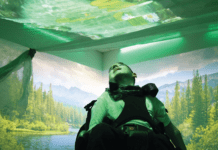
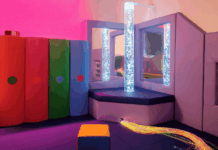
The focus on sensory experiences is not new, but there’s a wave of new interest which has brought opportunities and challenges for teachers, teaching assistants, and support staff. For some, sensory-based education provides essential communication, engagement, and regulation tools. For others, it risks becoming a label applied without considering individual needs. In a world where sensory rooms are now a standard feature in many schools and sensory diets are recommended for regulating behaviour, it’s crucial to ask whether these approaches are being implemented meaningfully or simply as trends.
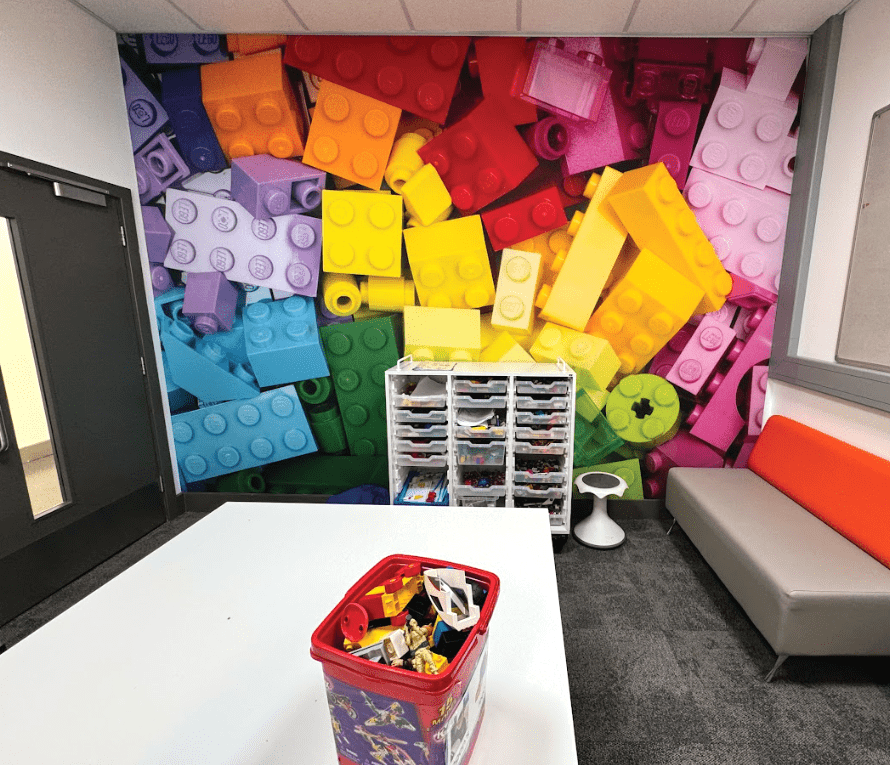
A deeper look into sensory learning reveals that it is about much more than just providing access to lights, textures, or movement. It’s about understanding how sensory input affects a child’s ability to engage with learning, communicate, and self-regulate. This means moving beyond buzzwords and ensuring that sensory strategies are tailored to each learner, rooted in evidence, and implemented in ways that genuinely support development and participation. For teachers, this requires a shift in thinking—from seeing sensory as an add-on to embedding it into everyday practice to foster real progress. As the conversation around sensory learning continues to grow, teachers must remain critical, reflective, and informed. The true value of sensory approaches lies not in the labels or the latest trends but in how they enhance opportunities for every child to engage, learn, and thrive.
The sensory system is complex and highly individualised, influencing everything from attention and engagement to communication and behaviour. It’s not as simple as meeting a single set of requirements—you must understand each learner’s sensory needs, sensitivities, and responses on a case-by-case basis. For teachers, this means recognising that what works for one child may be ineffective or even overwhelming for another.
Take, for example, a learner with an undiagnosed hearing loss. Rather than showing obvious signs of difficulty, they might appear disengaged, struggle to follow instructions or be mistakenly labelled as having a short attention span. Without awareness of the underlying sensory challenge, their behaviour could be misinterpreted as a lack of interest rather than an indication of an unmet need. Similarly, a child with a visual impairment may require specific adaptations to their learning environment—such as high-contrast materials or adjustments to their positioning to access tasks fully. Simply placing them closer to the board is not enough; sometimes, a greater distance provides a clearer visual field.
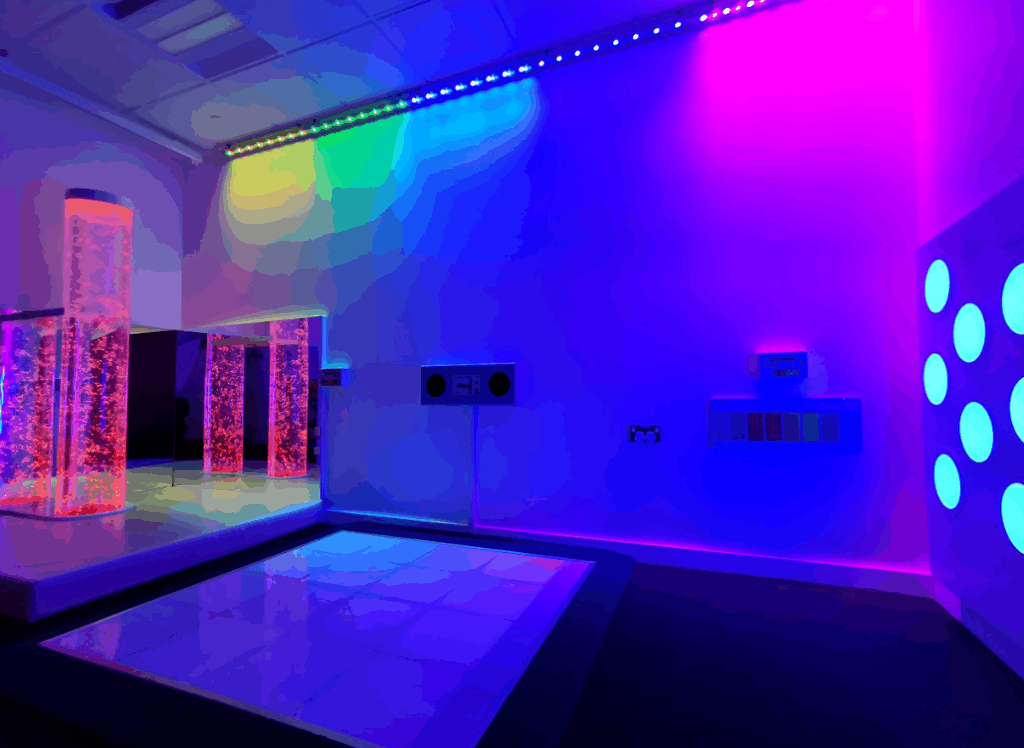
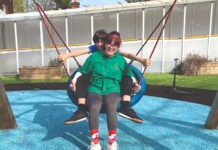
Beyond hearing and vision, sensory needs extend to movement and physical positioning. Some learners concentrate far better when given regular movement breaks, while others may find traditional classroom seating restrictive and benefit from alternative positions, such as lying on the floor or sitting on a wobble cushion. These unconventional adjustments can make a significant difference in comfort and engagement, yet they are often overlooked in structured learning environments. Recognising and addressing these diverse sensory needs is not about making broad assumptions—it’s about close observation, flexibility, and a willingness to adapt the learning environment to maximise each child’s potential. By doing so, we move beyond the idea of sensory as a fixed concept and towards a more inclusive, responsive approach that genuinely supports all learners.
Rethinking behaviour
In recent years, there has been a significant shift in how we interpret behaviour in children and young adults with special educational needs. What was once labelled as challenging behaviour is now more widely understood as a response to unmet communication needs. This change in perspective is crucial for creating more supportive learning environments and ensuring that the root causes of distress or disengagement are properly addressed rather than simply managed.
For many learners, particularly those who are non-verbal or have limited expressive language, behaviour is communication. A child who refuses to participate becomes distressed or reacts physically may not be acting up in the traditional sense but instead signalling frustration, anxiety, or a sensory need that is not being met. Their behaviour becomes their voice if they cannot verbally express discomfort, pain, or confusion. By shifting our focus from managing behaviour to understanding communication, educators can begin to see patterns, triggers, and unmet needs that may have gone unnoticed. Instead of viewing these responses as problems to be corrected, they should be seen as valuable cues that help shape a more supportive and responsive environment. This growing awareness has transformed how many schools and practitioners approach support strategies. The more we understand that behaviour is often a reaction rather than a deliberate choice, the better we can create inclusive spaces where every child feels heard, respected, and able to engage in their own way.
Movement in learning
On a recent training course in London, I was working with practitioners from mainstream settings when I heard a fantastic story perfectly illustrating the power of understanding sensory needs. A staff member spoke about a young boy in their school who struggled to sit still, often appearing frustrated and disruptive in the classroom. His constant movement was seen as a problem until the teacher dug deeper into why he was finding it difficult to remain seated. Through research, the staff discovered that some children experience challenges with their vestibular and proprioceptive systems, meaning they require movement to regulate their bodies and focus effectively. Rather than forcing the boy to sit still, they took a different approach: they bought him a space hopper. The result? He loved it. His frustration eased, and his ability to concentrate improved. However, there was an unexpected challenge: the rest of the class found his bouncing distracting. When I asked how they tackled this, the teacher responded brilliantly: “We got everyone a space hopper!” The classroom was full of bouncing children for the next couple of weeks, all enjoying the freedom to move. But, as with most novelty, the excitement wore off for the majority, and the other learners gradually lost interest in using the space hoppers. The difference, however, was that the boy who needed movement to regulate himself could now continue bouncing without it being seen as disruptive. His needs were met, and importantly, they were normalised rather than singled out as a problem.
This simple but effective solution highlights an important lesson in education. When we embrace the needs of individual learners and integrate them into the classroom environment, rather than treating them as exceptions, everyone benefits. The teacher didn’t just ‘fix’ the issue for one child; they adapted their teaching style to create a more inclusive setting that allowed all learners to engage in ways that suited them. And that’s what good teaching is all about.
A sensory inclusive future
Sensory-based learning is not just a passing trend; it is a fundamental part of how many children experience the world. By embedding sensory approaches into everyday teaching, rather than treating them as occasional interventions, we can create truly inclusive classrooms where every child has the opportunity to thrive. The future of education acknowledges and embraces sensory diversity, ensuring that no learner is left behind.

Author: Richard Hirstwood

Richard Hirstwood
Richard Hirstwood is the founder of Hirstwood Training, enabling educators to maximise the impact of sensory learning opportunities in sensory and learning environments.
Website: hirstwood.com
X: @hirstwoodT
Facebook: @HirstwoodTraining
Youube: @RichardHirstwoodTraining