





















Susan Rawlings oversees school visits to the National Justice Museum in Nottingham. With a lived experience of SEN, she has always been aware of the huge benefits that learning outside the classroom has for SEN students.
Learning outside the classroom is immersive and multisensory rather than academic, and it can support the development of listening, speaking, group skills and confidence. By shifting the focus to learning through the experience, students with different learning styles can all engage in the same activity and learn in their own way from the experience. Being in new spaces can build confidence, and participating in workshops develops social skills and teamwork. These soft skills can be a much more beneficial outcome for SEN learners than traditional academic achievements. For some students, the benefit can just be that they change their routine and visit somewhere other than their safe space.

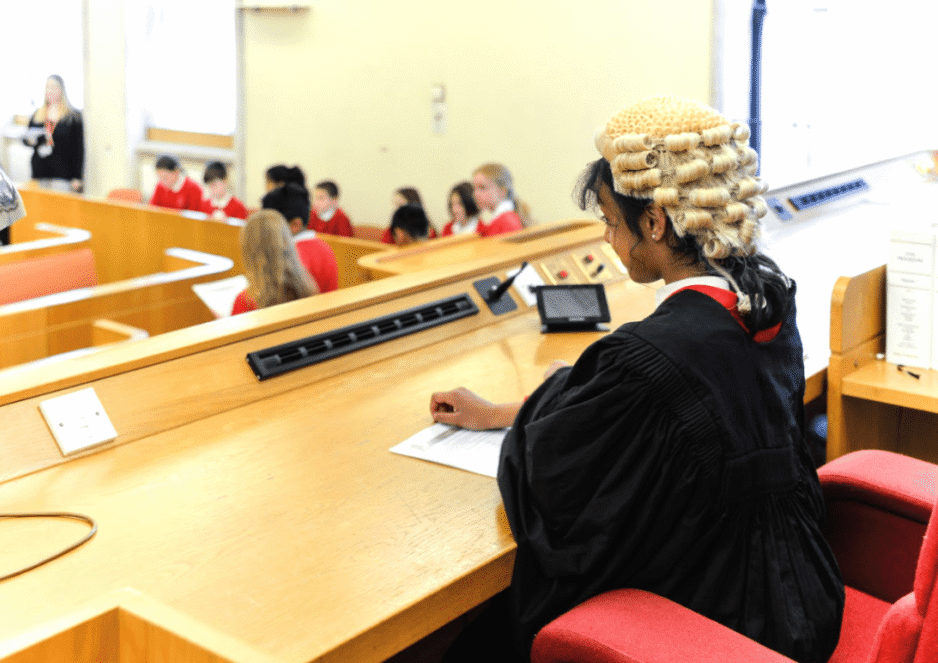
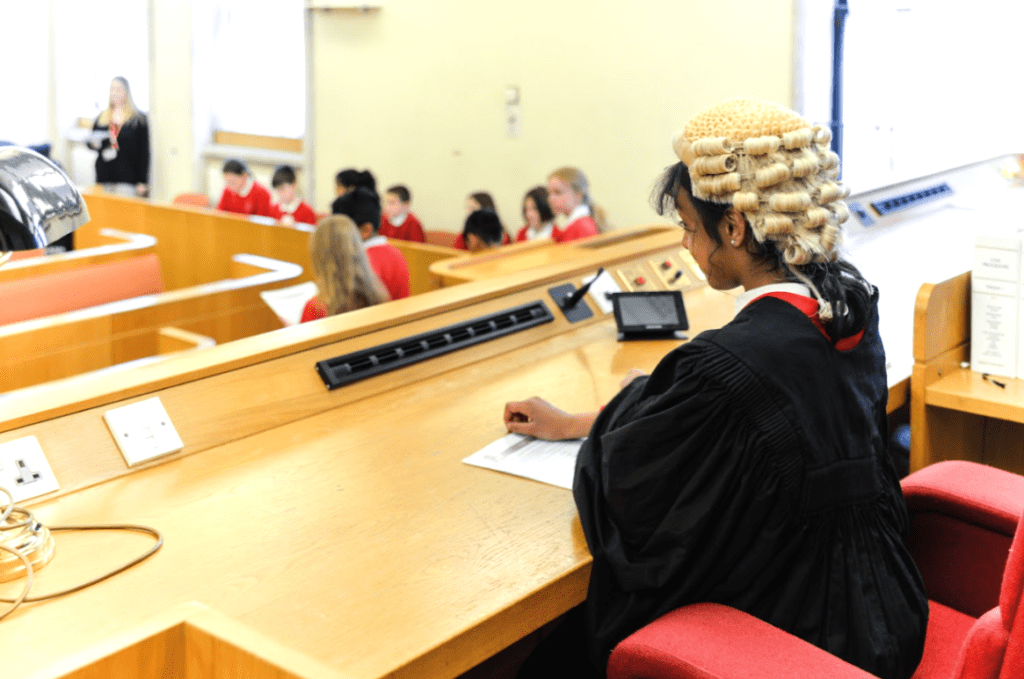
At our museum, we explore both historical and contemporary aspects of justice through courtroom roleplay, from theft and robbery, via cyberbullying and drugs, all the way through to murder and the principle of joint enterprise. Roleplay is accessible and allows a difficult subject matter to be explored in a safe way. It creates an immersive experience which helps students understand the way our courtrooms function, and the consequences of committing a crime. They are part of the decision-making processes throughout the court case, which builds confidence and knowledge in an organic way. Every student has a part to play and, as there are so many different roles in a court room, we can match the strengths of the individual students to the job they will perform. In our workshops we explore crime and punishment through time, how our justice system works, and if capital punishment should be brought back. This allows students to question the world around them, while focusing on the specific topic of the workshop in a supported way.
For students with SEN we lead our workshops to focus less on learning outcomes and more on the whole experience of being in our building. Preparing the students for their visit is our first step. Via pre-visits or phone calls we aim to build a relationship with the teachers allowing us to focus on the specific needs of their students. This enables us to make sure our sessions best meet the needs of the student and the required outcomes of the teachers, be that confidence building, social skills or subject content. It also reassures the staff coming on the visit that we can accommodate their students and work with them in a positive way.
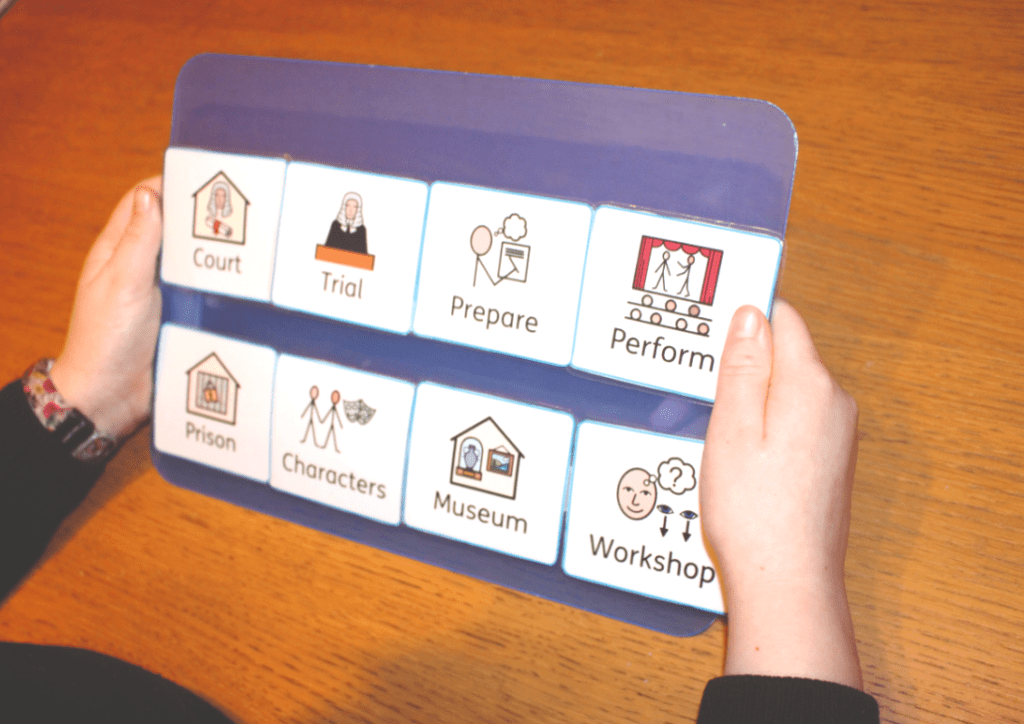
We have sensory awareness documents available to start preparing the students before they even set foot on our sites. We can also provide visual stories about the day and use visual timetables while the students are on site to help them know what to expect and feel confident on our sites. We also have fully scripted versions of our trial that can be used if that is the best fit for the students.
Typically for SEN students we allow time at the start of the session for them to get comfortable with the space they are in, by asking them a few open questions and allowing the group to move around and explore, before we start to work on the content of the workshop. We are very much student led, and curiosity is always encouraged. We encourage conversations around a topic to develop naturally as we work in small groups during the preparation part of the workshop. If the students are showing more interest in one aspect of the workshop or the courtroom experience, then we help them explore that element more fully. Once all the prep has been done, we then hand over to the students to run their own trial or share what they have learned if they are doing a museum workshop. During the roleplay part of our courtroom workshops, we use costumes to help the students get into their role. We gently encourage the use of our costumes, and we never insist a student does things they are not comfortable with. By giving them ownership of their experience we are building confidence and helping deepen their understanding by physically acting out the court case. While we let the students take the lead, our facilitators are always ready to jump in and support a student if they freeze, or completely take over a role if that is the best option, we are guided by the staff working with the students for this.
Students usually start out a bit cautious, but their teachers are often surprised at their engagement and input. We often have comments from school staff that a student has far exceeded their expectations, whether that is because they have read out loud in front of the class, spoken with an unfamiliar adult, or shown critical thinking skills that they were not expecting. Sometimes the achievement is simply surviving a morning outside of school without experiencing overwhelm and that is worth celebrating too. Students enjoy the roleplay element, which can allow them to explore the law in the safety of the experience being pretend. It is not the student going through this experience of a court case, but the persona they take on in the courtroom. The development during a workshop from cautious and maybe a bit scared, to engaging and curious is what we strive to achieve.
The key is to be flexible, adaptive and always take your lead from the students and staff. This approach has led to consistently positive feedback from school groups.

Author: Susan Rawlings

Susan Rawlings
Susan Rawlings is Learning Officer at the National Justice Museum in Nottingham.
Website: nationaljusticemuseum.org.uk
Facebook: @Justicemuseum
Instagram: @Justicemuseum
TikTok: @Justicemuseum