




















Maria Davies on the importance of phonological awareness in the early years.
Phonological awareness (PA) is a bit of a mouthful, but it’s one of the most important building blocks for learning to read. It’s the ability to process, recognise and manipulate the sounds in spoken language. That means clapping out syllables, recognising rhymes, hearing the beginning sounds in words, and more. It’s not related to hearing and it’s all oral—nothing to do with letters or print just yet—and it’s not the same as phonics, which comes later and links sounds to printed letters. PA develops in stages from a young age, starting with an awareness of environmental sounds (like birdsong or a car horn), then moving through syllable awareness, rhyme, and eventually, phonemic awareness—the ability to blend, segment, and manipulate the smallest units of sound in a word. Why does this matter? Because strong PA skills are directly linked to children’s later success in reading and spelling. If children can process and manipulate the sounds in words, they’re much more likely to be able to decode them when it comes to phonics. And if they struggle with PA, they’re more likely to struggle with reading. Phonological awareness truly is a must-have building block for literacy success. By giving every child access to this vital skill early on, we’re laying the groundwork for confident, skilled readers down the line—and that’s something worth clapping about.
SENDCo
As a SENDCo, I often work with children who’ve found literacy tough from the start of formal reading instruction. Time and time again, I find that many of them have gaps in their phonological awareness. They might struggle to hear rhyme, can’t identify the first sound in a word, or find it tricky to blend sounds together to make a word. Even something as seemingly simple as supplying a rhyming word can be a real challenge. PA isn’t just a helpful skill, it’s both a prerequisite for and a consequence of learning to read. Research over decades has shown that strong PA skills can predict later reading success. What’s more, targeted PA training has been shown to improve reading outcomes, especially when it’s part of a wider, integrated approach to literacy.
EYFS practitioner
Early Years practitioners are in a perfect position to promote phonological awareness from the very beginning. Through intentional, playful and regular activities, we can ensure no opportunity is missed to build these crucial skills. There’s loads of guidance out there, and many Local Authorities publish booklets packed with ideas and activities that require minimal preparation. Tracking PA development in the Early Years means we can spot gaps early and increase support where needed—adjusting the intensity and frequency to suit the child’s needs. It’s also important to remember that if a child isn’t progressing in reading or spelling later down the line, it’s worth revisiting their phonological skills. A screening assessment can help us know where to start with additional support. Programmes like Sound Linkage provide structured interventions that work well, especially when embedded in everyday practice and paired with close monitoring of progress. That said, delivering personalised, one-to-one interventions regularly can pose a challenge for EYFS teams so small group sessions can work well too.
James
I’ll never forget the look on his face when he finally managed to clap out the syllables in his name. Pure joy—it was like watching him unlock a secret code—one that would go on to form the foundation for learning to read. That small moment was a huge milestone, and it reminded me just how powerful phonological awareness can be.
At the start, James (not his real name) loved stories, but he found group games around rhyme or syllables frustrating. We noticed he couldn’t match rhyming words or count the beats in familiar names. So, we started small. Every day, we played silly sound games—clapping syllables, making up rhymes with his name, and singing songs with strong rhythmic patterns. Slowly, his confidence grew. After a few weeks, he was clapping out names of his friends during circle times. Following that, he was spotting rhymes in books. And now he’s reading short CVC words with ease. What changed? A focus on his phonological awareness, delivered consistently and in a way that was fun for him.
Parents
Parents and carers play key roles, too. There’s so much that can be done at home—no flashcards or worksheets needed. Just your voice, a bit of imagination and a few minutes here and there. Games like ‘I spy’ (focusing on initial sounds), clapping syllables in family names, or coming up with rhyming nonsense words on the school run are all brilliant ways to support PA. You can play sound-matching games while cooking, sing songs in the bath, or have ‘rhyme time’ in the car. Even asking questions like “What sound does ‘banana’ start with?” or “Can you think of a word that rhymes with ‘cat’?” goes a long way. We run parent workshops at our setting to help families understand what PA is, why it matters, and how to support it at home. Our aim is to empower parents and help them realise that fostering phonological awareness is easy.
Repetition
Phonological awareness is all about tuning into the sound structure of language. Repetition is key—five to ten minutes a day, little and often, can make a huge difference. But every child is different. Some need more repetition, more play and more time than others, and that’s okay. Start where they are. Can they hear the difference between birdsong and a dog barking? Can they clap syllables in familiar words? Do they notice rhymes in stories? Don’t ditch the PA activities and rush ahead into formal phonics if these foundations aren’t yet secure. There are many reasons a child’s PA may not develop as expected—hearing issues, speech and language delays, or limited exposure to rich spoken language. These children might be taught phonics, but without a strong base in PA, they may struggle. So keep it fun, playful and pressure-free. Whether you’re a practitioner or a parent, you don’t need fancy resources. Just your voice, your time and a bit of creativity.
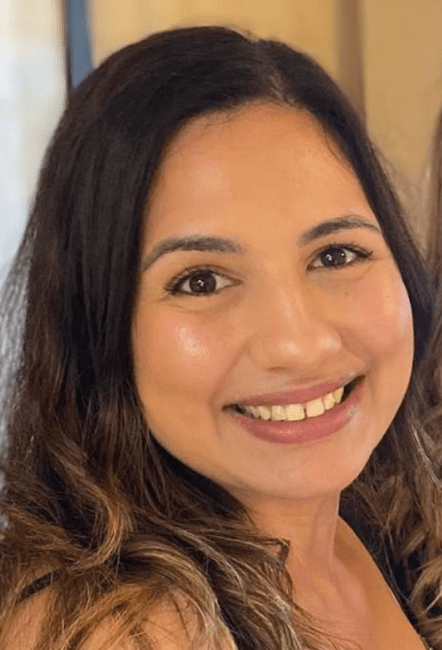
Author: Maria Davies

Maria Davies
Maria Davies is a SENDCo, and former assistant headteacher at a school for children with severe learning difficulties. She is a qualified specialist teacher and assessor of SpLD dyslexia.